
Sleep is a complex, active process orchestrated by intricate biological mechanisms within your brain and body. It's not merely a state of inactivity, but a vital period of physiological restoration, memory consolidation, and cellular repair, governed by a delicate interplay of neurotransmitters, hormones, and circadian rhythms.
We Ship Globally.Totality Not Modality.Free Specialist Consultations.Potent and Pure Evidence Based RemediesNo Side EffectsAddress The Root CauseFrom Medication to MeditationPrecedent Setting Clinical Trial ResultsPeople Before Profits AlwaysWe Ship Globally.Totality Not Modality.Free Specialist Consultations.Potent and Pure Evidence Based RemediesNo Side EffectsAddress The Root CauseFrom Medication to MeditationPrecedent Setting Clinical Trial ResultsPeople Before Profits AlwaysWe Ship Globally.Totality Not Modality.Free Specialist Consultations.Potent and Pure Evidence Based RemediesNo Side EffectsAddress The Root CauseFrom Medication to MeditationPrecedent Setting Clinical Trial ResultsPeople Before Profits AlwaysWe Ship Globally.Totality Not Modality.Free Specialist Consultations.Potent and Pure Evidence Based RemediesNo Side EffectsAddress The Root CauseFrom Medication to MeditationPrecedent Setting Clinical Trial ResultsPeople Before Profits AlwaysWe Ship Globally.Totality Not Modality.Free Specialist Consultations.Potent and Pure Evidence Based RemediesNo Side EffectsAddress The Root CauseFrom Medication to MeditationPrecedent Setting Clinical Trial ResultsPeople Before Profits AlwaysWe Ship Globally.Totality Not Modality.Free Specialist Consultations.Potent and Pure Evidence Based RemediesNo Side EffectsAddress The Root CauseFrom Medication to MeditationPrecedent Setting Clinical Trial ResultsPeople Before Profits Always
We Ship Globally.Totality Not Modality.Free Specialist Consultations.Potent and Pure Evidence Based RemediesNo Side EffectsAddress The Root CauseFrom Medication to MeditationPrecedent Setting Clinical Trial ResultsPeople Before Profits AlwaysWe Ship Globally.Totality Not Modality.Free Specialist Consultations.Potent and Pure Evidence Based RemediesNo Side EffectsAddress The Root CauseFrom Medication to MeditationPrecedent Setting Clinical Trial ResultsPeople Before Profits AlwaysWe Ship Globally.Totality Not Modality.Free Specialist Consultations.Potent and Pure Evidence Based RemediesNo Side EffectsAddress The Root CauseFrom Medication to MeditationPrecedent Setting Clinical Trial ResultsPeople Before Profits AlwaysWe Ship Globally.Totality Not Modality.Free Specialist Consultations.Potent and Pure Evidence Based RemediesNo Side EffectsAddress The Root CauseFrom Medication to MeditationPrecedent Setting Clinical Trial ResultsPeople Before Profits AlwaysWe Ship Globally.Totality Not Modality.Free Specialist Consultations.Potent and Pure Evidence Based RemediesNo Side EffectsAddress The Root CauseFrom Medication to MeditationPrecedent Setting Clinical Trial ResultsPeople Before Profits AlwaysWe Ship Globally.Totality Not Modality.Free Specialist Consultations.Potent and Pure Evidence Based RemediesNo Side EffectsAddress The Root CauseFrom Medication to MeditationPrecedent Setting Clinical Trial ResultsPeople Before Profits Always
Menu
Menu
Write your store's popup content
AYURVEDIC BOTANICAL INTELLIGENCE
Sleep Health Support
Restoration · Rejuvenation · Clarity
In Ayurveda, sound sleep (Nidra) is one of the three pillars of health, alongside diet and balanced energy. It's seen as a vital period for the body's natural repair, detoxification, and mental processing, crucial for maintaining optimal doshic balance and overall vitality. Adequate sleep is essential for the restoration of Ojas, the subtle essence of immunity and well-being.
7-9
Hours Recommended
360°
Holistic Approach
Daily
Renewal

BLOOM FORMULATIONS
Products that support Sleep health support
Our expertly crafted formulations blend time-honored Ayurvedic wisdom, homeopathic principles, and cutting-edge orthomolecular science to gently guide your body towards its natural rhythm of rest. Discover targeted support designed to optimize your sleep cycles and awaken your vitality.
Health goal match
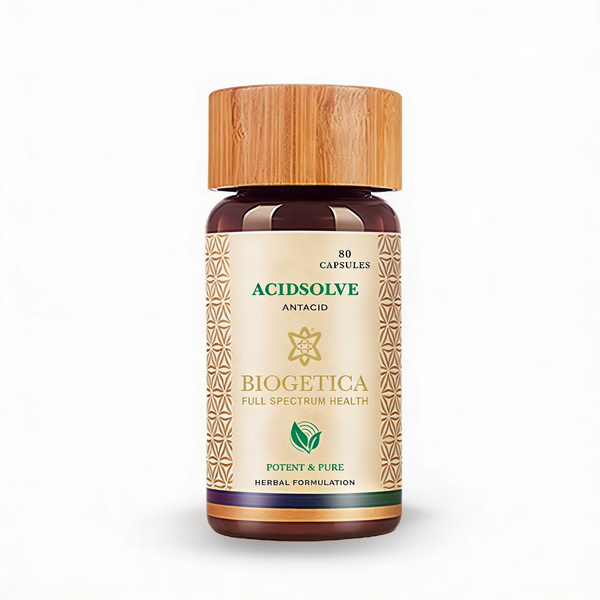
Bloom Acidsolve (Antacid, Pro Digestion)
Acidsolve is a natural antacid and antiulcerant. Acisolve not only reduces the acid secretion but also strengthens th...
Digestive health

Health goal match
Bloom Alclearize -(Blood Purify)
Alclearize is a combination of time tested ayurvedic herbs that are believed to cleanse the body, boost immunity and ...
Immunity
Detoxification
Skin Health Support

Health goal match
Bloom Arthrosolve (Gouts, Arthritis, Bone and Joints Care)
These Arthrosolve tablets by Biogetica are an effective blend of herbal and natural ingredients. These tablets are sp...
Bone Health
Aches & Pains

Health goal match
Bloom BipSolve (High BP/ Hypertension)
Bipsolve offers protection for your heart and potentially provides a natural alternative to long-term drug therapy wi...
Cardiovascular Health
Health goal match
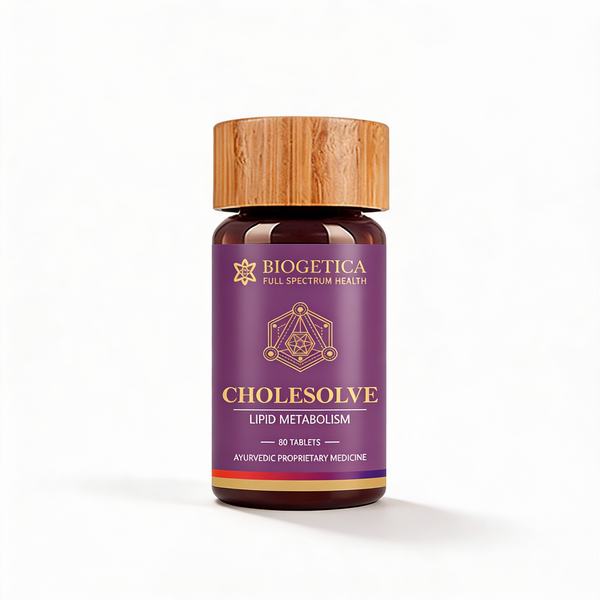
Bloom CholeSolve (Lipid Metabosilm Care)
Cholesolve improves digestive functions and increases the body’s metabolic rate. This may lead to a burn-down of fat ...
Cardiovascular Health
Health goal match
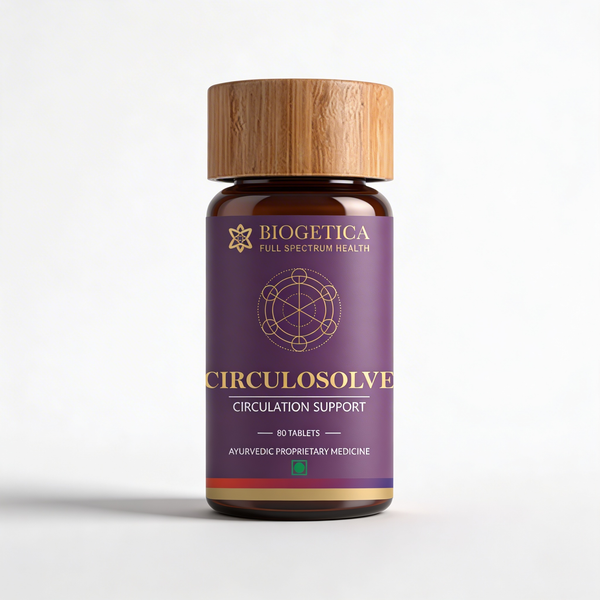
Bloom Circulosolve (Vericoveins Supprt, Hypertention)
Circulosolve consists of a combination of Ayurvedic herbs which are traditionally believed to protect the heart and i...
Cellular Health / Circulation
Cardiovascular Health

Health goal match
Bloom ColioSolve (Laxative and Digestive Support )
Coliosolve is traditionally believed to have laxative properties. It contains herbs like cassia and haritaki which ex...
Digestive health

Health goal match
Bloom Deliverance Kit with Skin Itch 30 UTR Formula
Biogetica Deliverance Kit with Skin Itch 30 UTR Formula is a combination of Advanced Ayurvedic herbs and Resonance Ho...
Skin Health Support

Health goal match
Bloom Freedom Kit With Ab Formula
The Biogetica Freedom Kit with AB Formula is a synergistic combination of Ayurvedic herbs, nutraceuticals and homeopa...
Cellular Health / Circulation

Health goal match
Bloom Freedom Kit With AC-NEE 200 Formula
Biogetica Freedom Kit with AC-NEE 200 Formula is a combination of Ayurvedic herbal ingredients, Resonance Homeopathic...
Skin Health Support
Health goal match
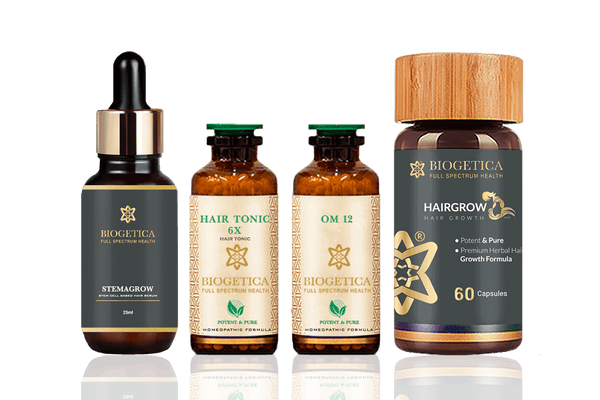
Bloom Freedom Kit With Om 12 Hair Formula
The natural products in this kit are made up of homeopathic attenuations along with advanced nutritional supplements ...
Skin Health Support

Health goal match
Bloom Freedom Kit with OM11 CNJ Formula
Biogetica Freedom Kit with OM 11 CNJ Formula is a combination of resonance homotoxologic / homeopathic and modern Bio...
Cellular Health / Circulation
Health goal match
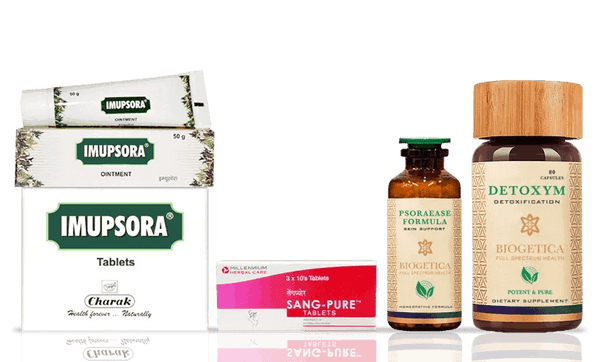
Bloom Freedom Kit With PSORAease Formula
The Freedom Kit with PSORAease Formula combines various natural remedies to promote healthy skin function, and suppor...
Skin Health Support
MECHANISM
How Your Sleep Health Works
01
Circadian Rhythm Regulation
The body's internal clock, influenced by light and dark cycles, signals the release of hormones like melatonin to prepare for sleep, setting the fundamental rhythm for rest and wakefulness.
02
Neurotransmitter Balance
Neurotransmitters like GABA calm the nervous system, while serotonin acts as a precursor to melatonin, crucial for inducing and maintaining restful sleep states.
03
Cellular Repair & Detoxification
During deep sleep, the glymphatic system actively clears metabolic waste from the brain, and cellular repair processes accelerate throughout the body, rejuvenating tissues and organs.
KEY INFLUENCES
What Affects Your Sleep Health?
Many aspects of modern life and environmental factors can profoundly influence the quality and consistency of your sleep, disrupting the delicate balance required for optimal rest and rejuvenation.

MAJOR IMPACT
Chronic Stress & Anxiety
Elevated cortisol levels and an overactive nervous system can make it difficult to fall asleep, stay asleep, and achieve deep, restorative stages of sleep.

CRITICAL
Blue Light Exposure
Exposure to blue light from screens, especially in the evening, suppresses melatonin production, interfering with the body's natural signals for sleep initiation.

FOUNDATIONAL
Irregular Sleep Schedule
Inconsistent bedtimes and wake-up times disrupt your body's natural circadian rhythm, making it challenging for your internal clock to regulate sleep effectively.
KEY AWARENESS
Signs Your Sleep Health May Need Support
Your body communicates its needs through various signals. Recognizing these can be the first step towards optimizing your sleep and overall well-being.
01.
Difficulty Falling Asleep
Taking a long time to drift off, often accompanied by a racing mind or restlessness.
02.
Frequent Night Wakings
Waking up multiple times during the night and struggling to return to sleep.
03.
Non-Restorative Sleep
Waking up feeling tired, unrefreshed, or still groggy, despite having spent hours in bed.
04.
Daytime Fatigue & Drowsiness
Experiencing persistent tiredness, low energy, or the need for naps throughout the day.
05.
Irritability & Mood Shifts
Noticeable changes in mood, increased irritability, or difficulty managing emotions.
06.
Reduced Concentration
Struggling with focus, memory, and cognitive performance during waking hours.

DAILY FOUNDATIONS
The Four Lifestyle Pillars for Restorative Sleep
Cultivating optimal sleep health involves integrating foundational habits that support your body's natural rhythms and promote deep, rejuvenating rest.

Consistent Sleep Routine
Establishing a regular bedtime and wake-up time, even on weekends, helps regulate your circadian rhythm, making it easier to fall asleep and wake naturally.
- Aim for 7-9 hours of sleep nightly.
- Go to bed and wake up at the same time daily.
- Create a relaxing pre-sleep ritual.
- Avoid daytime naps that are too long or late.

Optimized Sleep Environment
Transforming your bedroom into a sanctuary conducive to sleep can significantly enhance sleep quality by minimizing disruptions and promoting relaxation.
- Keep your room dark, quiet, and cool.
- Invest in a comfortable mattress and pillows.
- Remove electronics and excessive clutter.
- Consider blackout curtains or an eye mask.

Mindful Nutrition & Hydration
What and when you eat and drink can profoundly impact your sleep quality, influencing digestion, energy levels, and neurotransmitter balance.
- Avoid heavy meals close to bedtime.
- Limit caffeine and alcohol, especially in the afternoon/evening.
- Stay well-hydrated throughout the day.
- Incorporate sleep-supporting nutrients like magnesium.

Stress Management & Relaxation
Chronic stress and an overactive mind are major barriers to restful sleep. Implementing relaxation techniques can calm your nervous system before bed.
- Practice meditation or deep breathing exercises.
- Engage in gentle yoga or stretching.
- Journaling to clear your mind.
- Spend time in nature to reduce stress.
THE HYPOTHALAMIC / PITUITARY / ADRENAL AXIS
Why Your HPA Axis Is Your Sleep Health Headquarters
The Hypothalamic-Pituitary-Adrenal (HPA) axis is a central neuroendocrine system that plays a critical role in regulating stress responses, mood, energy levels, and profoundly, your sleep-wake cycles. It's a complex communication network between your brain and adrenal glands, essential for maintaining physiological balance, or homeostasis.
This intricate axis influences the production and release of hormones such as cortisol, the body's primary stress hormone, and melatonin, the sleep hormone. A balanced HPA axis ensures that these hormones are secreted in appropriate rhythms, promoting alertness during the day and facilitating restful sleep at night, aligning with your natural circadian clock.
When the HPA axis is dysregulated due to chronic stress or other factors, it can lead to an imbalance in cortisol and melatonin production. This disruption can manifest as difficulty falling asleep, frequent night wakings, or non-restorative sleep, ultimately impacting overall vitality and well-being. Supporting HPA axis harmony is key to optimizing sleep health.
24/7
Hormonal Regulation
100%
Stress Response
Critical
Circadian Rhythm
Holistic
Well-being Impact

NUTRITIONAL SCIENCE
Key Nutrients for Restorative Sleep
Specific micronutrients play pivotal roles in the biochemical pathways that govern sleep, relaxation, and nervous system balance. Ensuring adequate intake supports your body's natural capacity for deep rest.
| NUTRIENT | ROLE IN IMMUNITY | TOP FOOD SOURCES | EVIDENCE LEVEL |
|---|---|---|---|
| Magnesium | Relaxes muscles and calms the nervous system, supports GABA function. | Leafy greens, nuts, seeds, dark chocolate | Strong |
| L-Theanine | Promotes relaxation and reduces mental chatter without drowsiness. | Green tea | Strong |
| GABA | A primary inhibitory neurotransmitter that calms brain activity. | Fermented foods, some teas | Moderate |
| Melatonin | Regulates the sleep-wake cycle and signals the body to prepare for sleep. | Tart cherries, walnuts, oats (small amounts) | Strong |
| Valerian Root | Traditional herb known for its sedative and anxiety-reducing properties. | Herbal teas, supplements | Moderate |
| Ashwagandha | Adaptogenic herb that helps the body manage stress and promotes relaxation. | Ayurvedic preparations, supplements | Strong |
| Vitamin D | Influences sleep quality and duration, linked to melatonin production. | Sunlight exposure, fatty fish, fortified foods | Moderate |
| B Vitamins (especially B6, B12) | Essential for neurotransmitter synthesis, including serotonin and melatonin. | Whole grains, meat, eggs, legumes | Strong |
COMMON QUESTIONS
Frequently Asked Questions About Sleep Health
Most adults thrive on 7-9 hours of quality sleep per night. This range allows for adequate cycles of deep and REM sleep essential for physical and mental restoration.
Blue light emitted from screens suppresses melatonin production, making it harder to fall asleep. It's recommended to avoid screens for at least 1-2 hours before bedtime.
Absolutely. Certain foods and drinks can disrupt or enhance sleep. Avoiding caffeine and heavy meals close to bedtime, while incorporating nutrient-rich foods, can significantly improve sleep quality.
The circadian rhythm is your body's internal 24-hour clock, regulating sleep-wake cycles, hormone release, and other bodily functions. Maintaining a consistent sleep schedule helps keep it in balance.
Many natural sleep aids, like magnesium, L-theanine, and adaptogenic herbs, can be safe and effective for supporting relaxation and sleep, especially when integrated into a holistic wellness approach. Always consult a healthcare professional for personalized advice.
Stress is a major sleep disruptor. Incorporating daily stress management techniques such as meditation, yoga, deep breathing, or journaling can calm the nervous system and prepare your body for restful sleep.
If you consistently experience significant difficulty falling or staying asleep, excessive daytime fatigue, or if sleep issues are impacting your daily life, it's advisable to consult a healthcare professional for a comprehensive evaluation.
Sleep quantity refers to the number of hours you spend asleep. Sleep quality, however, refers to how well you sleep, including the continuity of sleep, the proportion of restorative sleep stages, and how refreshed you feel upon waking. Both are crucial for optimal health.
Bloom In The News!

As COVID Becomes a Permanent Reality, Focus Must Shift to Effective Treatment Options

New Study Compares Viable Treatment Options for Covid across all Medical Systems and Finds Ayurveda to Have the Best Result.

Bloom's groundbreaking trial on Herpes receives patent from the US Patent Office

Bloom's groundbreaking trial on Herpes receives patent from the US Patent Office

New Study Compares Viable Treatment Options for Covid across all Medical Systems and Finds Ayurveda to Have the Best Result.

Clinical trial of Ayurvedic remedy for Covid shows ground breaking result
Meet Our Team
Our team of experienced healthcare professionals is dedicated to your wellness journey

Dr. Vijay Kumar Kamat
MD, BAMS
Ayurvedic Medicine Specialist
AYURVEDA

Dr Khyati Dave
BHMS, CCH
Homeopathic Physician
HOMEOPATHY

Dr Ritu Sandhu
ND, LAc
Naturopathic Doctor
NATUROPATHY

Dr Shivani R Desai
PhD, RH
Herbal Medicine Expert
HERBALISM