
Bone tissue is a dynamic, living system constantly undergoing remodeling—a balanced process of old bone removal (resorption) and new bone formation. This intricate dance, regulated by various hormones, vitamins, and minerals, ensures your bones remain strong, adaptable, and capable of repairing themselves. Understanding this continuous renewal is key to supporting lifelong skeletal vitality.
We Ship Globally.Totality Not Modality.Free Specialist Consultations.Potent and Pure Evidence Based RemediesNo Side EffectsAddress The Root CauseFrom Medication to MeditationPrecedent Setting Clinical Trial ResultsPeople Before Profits AlwaysWe Ship Globally.Totality Not Modality.Free Specialist Consultations.Potent and Pure Evidence Based RemediesNo Side EffectsAddress The Root CauseFrom Medication to MeditationPrecedent Setting Clinical Trial ResultsPeople Before Profits AlwaysWe Ship Globally.Totality Not Modality.Free Specialist Consultations.Potent and Pure Evidence Based RemediesNo Side EffectsAddress The Root CauseFrom Medication to MeditationPrecedent Setting Clinical Trial ResultsPeople Before Profits AlwaysWe Ship Globally.Totality Not Modality.Free Specialist Consultations.Potent and Pure Evidence Based RemediesNo Side EffectsAddress The Root CauseFrom Medication to MeditationPrecedent Setting Clinical Trial ResultsPeople Before Profits AlwaysWe Ship Globally.Totality Not Modality.Free Specialist Consultations.Potent and Pure Evidence Based RemediesNo Side EffectsAddress The Root CauseFrom Medication to MeditationPrecedent Setting Clinical Trial ResultsPeople Before Profits AlwaysWe Ship Globally.Totality Not Modality.Free Specialist Consultations.Potent and Pure Evidence Based RemediesNo Side EffectsAddress The Root CauseFrom Medication to MeditationPrecedent Setting Clinical Trial ResultsPeople Before Profits Always
We Ship Globally.Totality Not Modality.Free Specialist Consultations.Potent and Pure Evidence Based RemediesNo Side EffectsAddress The Root CauseFrom Medication to MeditationPrecedent Setting Clinical Trial ResultsPeople Before Profits AlwaysWe Ship Globally.Totality Not Modality.Free Specialist Consultations.Potent and Pure Evidence Based RemediesNo Side EffectsAddress The Root CauseFrom Medication to MeditationPrecedent Setting Clinical Trial ResultsPeople Before Profits AlwaysWe Ship Globally.Totality Not Modality.Free Specialist Consultations.Potent and Pure Evidence Based RemediesNo Side EffectsAddress The Root CauseFrom Medication to MeditationPrecedent Setting Clinical Trial ResultsPeople Before Profits AlwaysWe Ship Globally.Totality Not Modality.Free Specialist Consultations.Potent and Pure Evidence Based RemediesNo Side EffectsAddress The Root CauseFrom Medication to MeditationPrecedent Setting Clinical Trial ResultsPeople Before Profits AlwaysWe Ship Globally.Totality Not Modality.Free Specialist Consultations.Potent and Pure Evidence Based RemediesNo Side EffectsAddress The Root CauseFrom Medication to MeditationPrecedent Setting Clinical Trial ResultsPeople Before Profits AlwaysWe Ship Globally.Totality Not Modality.Free Specialist Consultations.Potent and Pure Evidence Based RemediesNo Side EffectsAddress The Root CauseFrom Medication to MeditationPrecedent Setting Clinical Trial ResultsPeople Before Profits Always
Menu
Menu
Write your store's popup content
AYURVEDIC BOTANICAL INTELLIGENCE
Optimal Bone Health
Strength · Resilience · Longevity
Ayurveda views bone health (Asthi Dhatu) as integral to overall structural integrity and vitality, formed from the transformation of fat tissue. Maintaining strong bones involves balancing Vata dosha, ensuring proper nutrient assimilation, and supporting the body's natural regeneration processes for enduring strength and flexibility. Our holistic approach optimizes these pathways to foster robust skeletal well-being.
206
Bones in Adult Body
Daily
Renewal Cycle
30%
Peak Bone Mass

BLOOM FORMULATIONS
Holistic Formulations for Bone health support
Selecting the right formulations is crucial for optimal bone health. Our blends integrate clinically studied ingredients from Ayurveda, Homeopathy, and Orthomolecular science, crafted to support bone density, flexibility, and the intricate mineral balance essential for a strong skeletal system. These synergistic combinations are designed to enhance your body's natural capacity for bone maintenance and renewal.
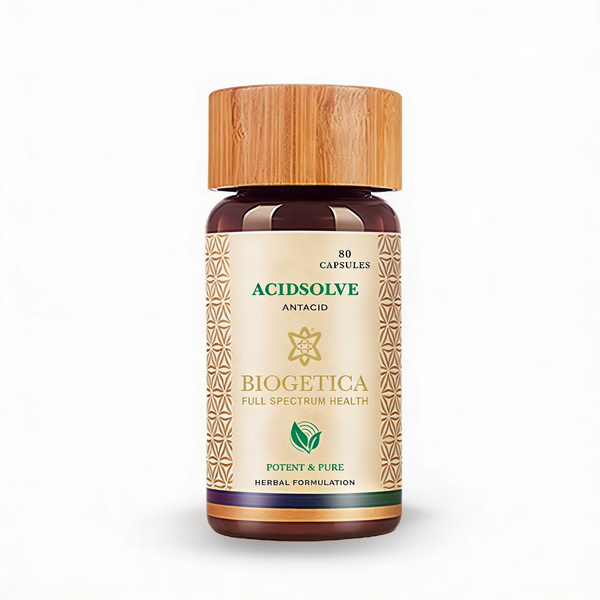
Health goal match
Bloom Acidsolve (Antacid, Pro Digestion)
Acidsolve is a natural antacid and antiulcerant. Acisolve not only reduces the acid secretion but also strengthens th...
Digestive health
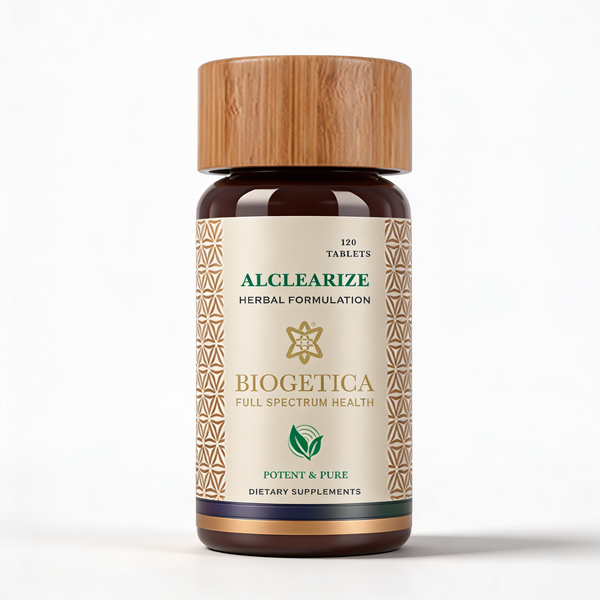
Health goal match
Bloom Alclearize -(Blood Purify)
Alclearize is a combination of time tested ayurvedic herbs that are believed to cleanse the body, boost immunity and ...
Immunity
Detoxification
Skin Health Support

Health goal match
Bloom Arthrosolve (Gouts, Arthritis, Bone and Joints Care)
These Arthrosolve tablets by Biogetica are an effective blend of herbal and natural ingredients. These tablets are sp...
Bone Health
Aches & Pains

Health goal match
Bloom BipSolve (High BP/ Hypertension)
Bipsolve offers protection for your heart and potentially provides a natural alternative to long-term drug therapy wi...
Cardiovascular Health
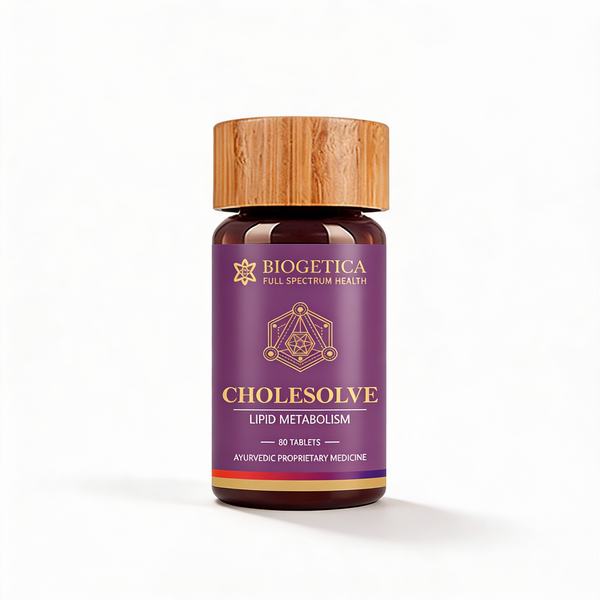
Health goal match
Bloom CholeSolve (Lipid Metabosilm Care)
Cholesolve improves digestive functions and increases the body’s metabolic rate. This may lead to a burn-down of fat ...
Cardiovascular Health
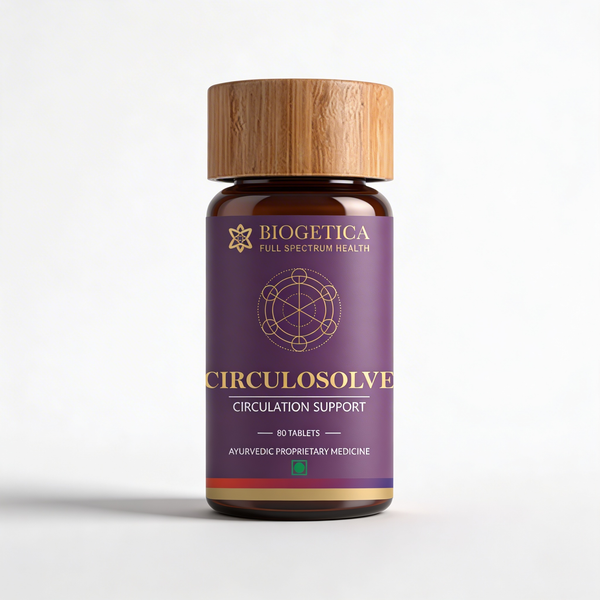
Health goal match
Bloom Circulosolve (Vericoveins Supprt, Hypertention)
Circulosolve consists of a combination of Ayurvedic herbs which are traditionally believed to protect the heart and i...
Cellular Health / Circulation
Cardiovascular Health
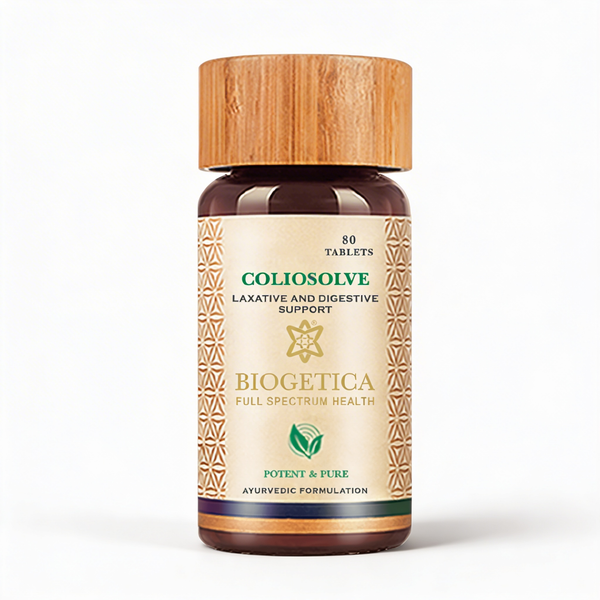
Health goal match
Bloom ColioSolve (Laxative and Digestive Support )
Coliosolve is traditionally believed to have laxative properties. It contains herbs like cassia and haritaki which ex...
Digestive health
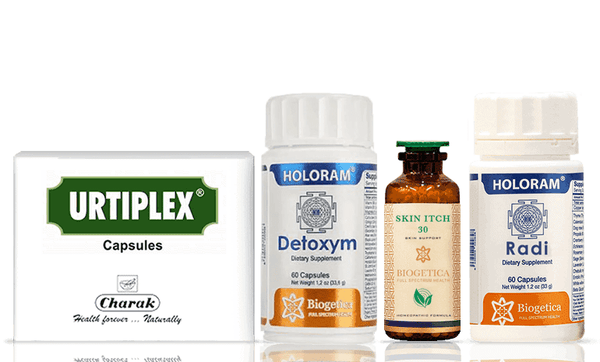
Health goal match
Bloom Deliverance Kit with Skin Itch 30 UTR Formula
Biogetica Deliverance Kit with Skin Itch 30 UTR Formula is a combination of Advanced Ayurvedic herbs and Resonance Ho...
Skin Health Support
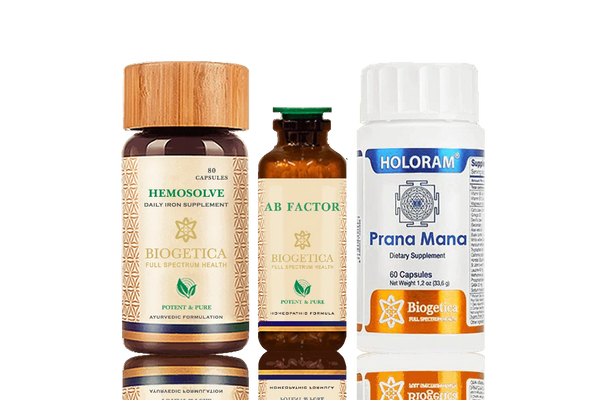
Health goal match
Bloom Freedom Kit With Ab Formula
The Biogetica Freedom Kit with AB Formula is a synergistic combination of Ayurvedic herbs, nutraceuticals and homeopa...
Cellular Health / Circulation

Health goal match
Bloom Freedom Kit With AC-NEE 200 Formula
Biogetica Freedom Kit with AC-NEE 200 Formula is a combination of Ayurvedic herbal ingredients, Resonance Homeopathic...
Skin Health Support
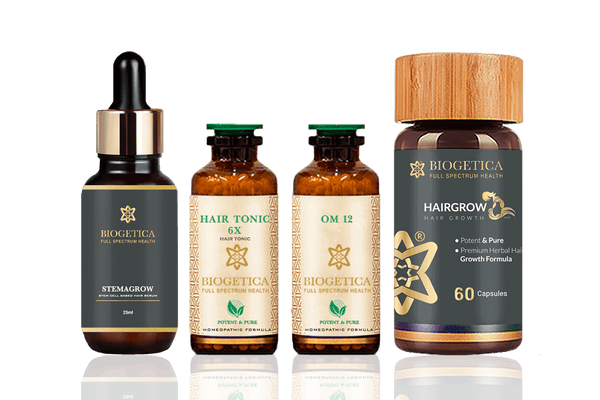
Health goal match
Bloom Freedom Kit With Om 12 Hair Formula
The natural products in this kit are made up of homeopathic attenuations along with advanced nutritional supplements ...
Skin Health Support
Health goal match
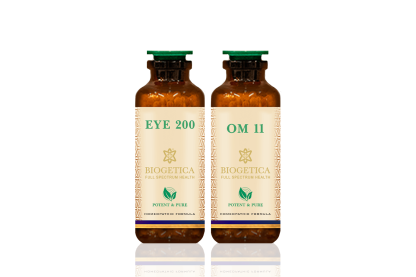
Bloom Freedom Kit with OM11 CNJ Formula
Biogetica Freedom Kit with OM 11 CNJ Formula is a combination of resonance homotoxologic / homeopathic and modern Bio...
Cellular Health / Circulation
Health goal match
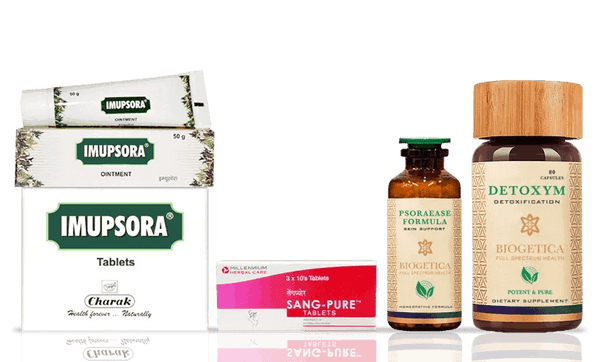
Bloom Freedom Kit With PSORAease Formula
The Freedom Kit with PSORAease Formula combines various natural remedies to promote healthy skin function, and suppor...
Skin Health Support
MECHANISM
How Your Bone Health Works
01
Osteoclast Activity
Specialized cells, osteoclasts, initiate bone remodeling by breaking down and reabsorbing old or damaged bone tissue, releasing minerals into the bloodstream.
02
Osteoblast Formation
Following resorption, osteoblasts, the bone-building cells, are recruited to the site to synthesize new bone matrix, primarily collagen, and deposit minerals.
03
Mineralization & Strength
The new bone matrix then undergoes mineralization, where calcium, phosphorus, and other minerals crystallize, hardening the bone and enhancing its structural integrity.
KEY INFLUENCES
What Affects Your Bone Health?
Your bone health is a reflection of a complex interplay between genetics, diet, lifestyle, and environmental factors. Positive choices can significantly enhance skeletal strength, while certain influences can challenge its integrity, underscoring the importance of a holistic approach to maintaining bone vitality.

MAJOR IMPACT
Nutrient Deficiencies
Insufficient intake of key vitamins (D, K) and minerals (calcium, magnesium) can impair bone formation and mineralization, leading to reduced density.

CRITICAL
Sedentary Lifestyle
Lack of weight-bearing exercise diminishes the mechanical stress needed to stimulate bone growth and density, weakening the skeletal structure over time.

FOUNDATIONAL
Digestive Imbalance
Poor digestive function or gut dysbiosis can hinder the absorption of essential bone-building nutrients, irrespective of dietary intake, impacting skeletal health.
KEY AWARENESS
Signs Your Bone Health May Need Support
Your body often provides subtle cues when its foundational systems require attention. Recognizing these signals related to bone health allows for timely intervention, supporting your skeletal system before imbalances become more pronounced and promoting sustained well-being.
01.
Persistent Aches
Unexplained or chronic bone and joint aches can indicate underlying mineral imbalances or structural strain.
02.
Brittle Nails
Fragile or easily broken nails can sometimes be a peripheral sign of systemic mineral deficiencies affecting bone strength.
03.
Dental Concerns
Receding gums, loose teeth, or frequent dental issues may point to compromised bone density in the jaw.
04.
Reduced Flexibility
A noticeable decrease in joint flexibility or range of motion can be related to the health of surrounding bone structures and cartilage.
05.
Fatigue
Chronic tiredness, especially when accompanied by other symptoms, can sometimes be linked to the body working harder to maintain mineral homeostasis.
06.
Posture Changes
Subtle changes in posture or a feeling of decreased height can indicate vertebral compression or weakening bones.

DAILY FOUNDATIONS
The Four Lifestyle Pillars for Bone Health
Cultivating foundational habits is paramount for sustaining robust bone health throughout your life. These pillars emphasize holistic practices that nourish your skeletal system, promote structural integrity, and enhance your body's natural capacity for repair and resilience.

Nourishing Nutrition
A diet rich in bone-supporting nutrients provides the building blocks for strong, resilient bones. Focus on whole, unprocessed foods that offer a spectrum of vitamins and minerals essential for skeletal integrity.
- Prioritize calcium-rich foods: leafy greens, fortified plant milks, sesame seeds.
- Ensure adequate Vitamin D intake through sunlight exposure or fortified foods.
- Include magnesium-rich foods: nuts, seeds, dark chocolate, avocados.
- Consume Vitamin K sources: fermented foods, cruciferous vegetables.

Regular Movement
Weight-bearing and resistance exercises are vital for stimulating bone growth and maintaining density. Movement creates mechanical stress that signals bones to strengthen, enhancing their structure and resilience.
- Engage in weight-bearing activities like walking, jogging, or dancing daily.
- Incorporate strength training with weights or bodyweight exercises 2-3 times a week.
- Practice yoga or Pilates to improve flexibility, balance, and core strength.
- Minimize prolonged sitting and integrate short bursts of activity throughout the day.

Stress Management & Sleep
Chronic stress can negatively impact hormonal balance, which in turn affects bone metabolism. Adequate restorative sleep is crucial for the body's repair processes, including bone regeneration.
- Practice mindfulness, meditation, or deep breathing to reduce stress.
- Establish a consistent sleep schedule, aiming for 7-9 hours of quality sleep.
- Create a calming bedtime routine to signal your body it's time to rest.
- Limit screen time before bed to support natural melatonin production.

Digestive Harmony
A healthy digestive system is fundamental for absorbing the vital nutrients needed for bone health. Supporting gut integrity ensures that calcium, magnesium, and vitamins are properly assimilated.
- Consume probiotics and prebiotics through fermented foods and fiber-rich vegetables.
- Avoid inflammatory foods that can compromise gut lining and nutrient absorption.
- Stay hydrated to support digestive processes and nutrient transport.
- Consider digestive enzymes if you experience persistent digestive discomfort.
THE SKELETAL / DIGESTIVE AXIS
Why Your Gut Is Your Bone Health Headquarters
The connection between your gut and your bones, often referred to as the Gut-Bone Axis, is a profound biological relationship. Your digestive system is not merely a conduit for food; it's a dynamic interface where essential bone-building nutrients like calcium, magnesium, and Vitamin D are absorbed. A healthy gut microbiome plays a critical role in this process, influencing nutrient availability and systemic inflammation, both of which directly impact bone density and strength.
The gut microbiome produces short-chain fatty acids (SCFAs) that can influence mineral absorption and modulate immune responses, impacting bone remodeling. Furthermore, a balanced gut barrier prevents inflammatory compounds from entering the bloodstream, safeguarding against chronic low-grade inflammation that can accelerate bone loss. This intricate communication highlights the gut's central role in maintaining systemic mineral balance and skeletal integrity.
When the Gut-Bone Axis is disrupted by dysbiosis, inflammation, or compromised nutrient absorption, the consequences can ripple through your skeletal system. Inefficient nutrient assimilation means that even a nutrient-rich diet may not adequately support bone health, leading to diminished bone density and increased vulnerability. Optimizing gut function is therefore a foundational strategy for robust and resilient bones.
70%
Nutrient Absorption in Gut
100 Trillion
Gut Microbes
20+
Hormones Impacting Bone
99%
Body's Calcium in Bones

NUTRITIONAL SCIENCE
Key Nutrients for Skeletal Resilience
A balanced intake of specific micronutrients is indispensable for fostering and maintaining optimal bone health. These vital components work synergistically to support bone formation, mineral density, and the dynamic processes of bone remodeling, ensuring your skeletal system remains strong and adaptable.
| NUTRIENT | ROLE IN IMMUNITY | TOP FOOD SOURCES | EVIDENCE LEVEL |
|---|---|---|---|
| Calcium | Primary structural component of bones and teeth. | Dairy, leafy greens, fortified plant milks, sesame seeds. | Strong |
| Vitamin D3 | Essential for calcium absorption and bone mineralization. | Sunlight, fatty fish, fortified foods, egg yolks. | Strong |
| Magnesium | Critical for bone formation, density, and enzyme activation. | Nuts, seeds, leafy greens, legumes, dark chocolate. | Strong |
| Vitamin K2 (MK-7) | Directs calcium to bones and away from soft tissues. | Fermented foods, natto, grass-fed dairy, egg yolks. | Strong |
| Strontium | Mimics calcium, supporting bone formation and reducing resorption. | Whole grains, seafood, leafy vegetables. | Moderate |
| Boron | Modulates calcium and magnesium metabolism, supports bone matrix. | Fruits, vegetables, nuts, legumes. | Moderate |
| Zinc | Plays a role in bone matrix formation and mineralization. | Red meat, poultry, beans, nuts, whole grains. | Moderate |
| Silica | Supports collagen synthesis and bone matrix integrity. | Whole grains, leafy greens, root vegetables, water. | Moderate |
COMMON QUESTIONS
Frequently Asked Questions About Bone Health
Optimal bone health is crucial for overall mobility, structural support, protecting organs, and serving as a mineral reservoir. It impacts posture, balance, and contributes significantly to long-term vitality and quality of life, far beyond just preventing breaks.
A nutrient-dense diet provides the essential building blocks like calcium, magnesium, phosphorus, and vitamins D and K. These nutrients are critical for bone formation, mineralization, and the continuous remodeling process, ensuring bones remain dense and resilient.
Yes, weight-bearing exercises (like walking, jogging, hiking) and resistance training (lifting weights, bodyweight exercises) stimulate osteoblasts, the bone-building cells, to create new bone tissue. This mechanical stress helps increase bone density and strength over time.
Hormones like estrogen, testosterone, parathyroid hormone, and calcitonin are key regulators of bone remodeling. They influence the balance between bone breakdown and formation, impacting calcium levels and overall bone density. Imbalances can significantly affect bone health.
While peak bone mass is typically achieved in young adulthood, it is absolutely possible to maintain existing bone density and even modestly improve it through targeted nutrition, regular weight-bearing exercise, and a holistic lifestyle approach at any age.
Chronic stress can elevate cortisol levels, which can interfere with calcium absorption and accelerate bone breakdown. Managing stress through mindfulness, adequate sleep, and relaxation techniques is vital for supporting hormonal balance and bone metabolism.
The Gut-Bone Axis refers to the bidirectional communication between your gut microbiome and your skeletal system. A healthy gut ensures optimal absorption of bone-critical nutrients and modulates systemic inflammation, both of which are foundational for maintaining strong bones.
Ayurveda emphasizes 'Asthi Dhatu' (bone tissue) as one of the seven bodily tissues. It highlights the importance of balancing Vata dosha, consuming 'ojas-building' foods, and ensuring proper 'agni' (digestive fire) for nutrient assimilation to maintain strong, flexible bones throughout life.
Bloom In The News!

As COVID Becomes a Permanent Reality, Focus Must Shift to Effective Treatment Options

New Study Compares Viable Treatment Options for Covid across all Medical Systems and Finds Ayurveda to Have the Best Result.

Bloom's groundbreaking trial on Herpes receives patent from the US Patent Office

Bloom's groundbreaking trial on Herpes receives patent from the US Patent Office

New Study Compares Viable Treatment Options for Covid across all Medical Systems and Finds Ayurveda to Have the Best Result.

Clinical trial of Ayurvedic remedy for Covid shows ground breaking result
Meet Our Team
Our team of experienced healthcare professionals is dedicated to your wellness journey

Dr. Vijay Kumar Kamat
MD, BAMS
Ayurvedic Medicine Specialist
AYURVEDA

Dr Khyati Dave
BHMS, CCH
Homeopathic Physician
HOMEOPATHY

Dr Ritu Sandhu
ND, LAc
Naturopathic Doctor
NATUROPATHY

Dr Shivani R Desai
PhD, RH
Herbal Medicine Expert
HERBALISM