
Your brain is a marvel of biological engineering, constantly processing information, forming memories, and orchestrating your thoughts and actions. This complex dance relies on billions of neurons communicating through intricate electrical and chemical signals, supported by a robust network of blood vessels and protective mechanisms.
We Ship Globally.Totality Not Modality.Free Specialist Consultations.Potent and Pure Evidence Based RemediesNo Side EffectsAddress The Root CauseFrom Medication to MeditationPrecedent Setting Clinical Trial ResultsPeople Before Profits AlwaysWe Ship Globally.Totality Not Modality.Free Specialist Consultations.Potent and Pure Evidence Based RemediesNo Side EffectsAddress The Root CauseFrom Medication to MeditationPrecedent Setting Clinical Trial ResultsPeople Before Profits AlwaysWe Ship Globally.Totality Not Modality.Free Specialist Consultations.Potent and Pure Evidence Based RemediesNo Side EffectsAddress The Root CauseFrom Medication to MeditationPrecedent Setting Clinical Trial ResultsPeople Before Profits AlwaysWe Ship Globally.Totality Not Modality.Free Specialist Consultations.Potent and Pure Evidence Based RemediesNo Side EffectsAddress The Root CauseFrom Medication to MeditationPrecedent Setting Clinical Trial ResultsPeople Before Profits AlwaysWe Ship Globally.Totality Not Modality.Free Specialist Consultations.Potent and Pure Evidence Based RemediesNo Side EffectsAddress The Root CauseFrom Medication to MeditationPrecedent Setting Clinical Trial ResultsPeople Before Profits AlwaysWe Ship Globally.Totality Not Modality.Free Specialist Consultations.Potent and Pure Evidence Based RemediesNo Side EffectsAddress The Root CauseFrom Medication to MeditationPrecedent Setting Clinical Trial ResultsPeople Before Profits Always
We Ship Globally.Totality Not Modality.Free Specialist Consultations.Potent and Pure Evidence Based RemediesNo Side EffectsAddress The Root CauseFrom Medication to MeditationPrecedent Setting Clinical Trial ResultsPeople Before Profits AlwaysWe Ship Globally.Totality Not Modality.Free Specialist Consultations.Potent and Pure Evidence Based RemediesNo Side EffectsAddress The Root CauseFrom Medication to MeditationPrecedent Setting Clinical Trial ResultsPeople Before Profits AlwaysWe Ship Globally.Totality Not Modality.Free Specialist Consultations.Potent and Pure Evidence Based RemediesNo Side EffectsAddress The Root CauseFrom Medication to MeditationPrecedent Setting Clinical Trial ResultsPeople Before Profits AlwaysWe Ship Globally.Totality Not Modality.Free Specialist Consultations.Potent and Pure Evidence Based RemediesNo Side EffectsAddress The Root CauseFrom Medication to MeditationPrecedent Setting Clinical Trial ResultsPeople Before Profits AlwaysWe Ship Globally.Totality Not Modality.Free Specialist Consultations.Potent and Pure Evidence Based RemediesNo Side EffectsAddress The Root CauseFrom Medication to MeditationPrecedent Setting Clinical Trial ResultsPeople Before Profits AlwaysWe Ship Globally.Totality Not Modality.Free Specialist Consultations.Potent and Pure Evidence Based RemediesNo Side EffectsAddress The Root CauseFrom Medication to MeditationPrecedent Setting Clinical Trial ResultsPeople Before Profits Always
Menu
Menu
Write your store's popup content
AYURVEDIC BOTANICAL INTELLIGENCE
Optimizing Cognitive Vitality
Clarity · Focus · Memory
In Ayurveda, optimal cognitive function is seen as a harmonious balance of Manas (mind), Buddhi (intellect), and Smriti (memory), all supported by robust Ojas (vital essence). Our holistic approach aims to nourish these fundamental aspects, fostering sharp mental acuity, sustained focus, and vibrant memory through natural principles.
360°
Brain Wellness
24/7
Mental Edge
Daily
Nourishment

BLOOM FORMULATIONS
Holistic Formulations for Cognitive function support
At Bloom, we believe in a synergistic approach to cognitive wellness. Our formulations blend time-honored Ayurvedic herbs, gentle Homeopathic remedies, and cutting-edge Orthomolecular nutrients, meticulously chosen to support every facet of your brain's health and function.

Health goal match
Bloom Aswagandha (Boost Over All Wellness)
Biogetica Ashwagandha Capsules are made with high-quality of Ashwagandha, Biogetica is the only company that makes fu...
Energy & Vitality
M/F Wellness
Brain Function
Health goal match
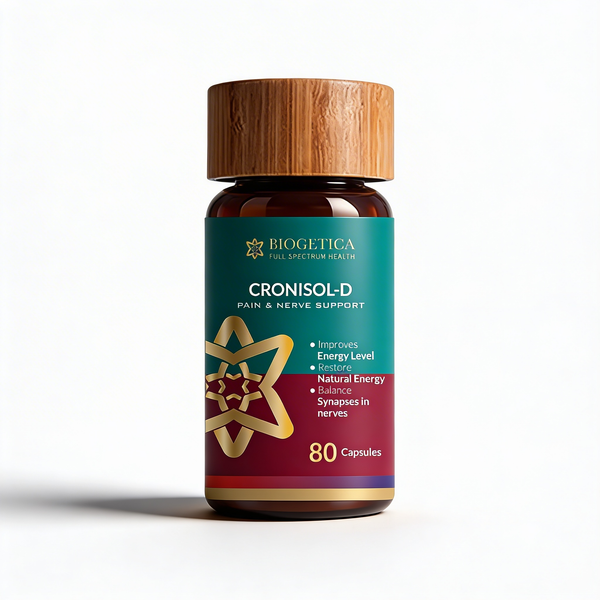
Bloom Cronisol D (Arthritis & Trigeminal neuralgia)
Cronisol-D is a bioregulator that improves the nutritional and energy state of the body. It potentially contributes t...
Brain Function
Aches & Pains

Health goal match
Bloom Diasolve - Sugar and Metabolism Support - 80 Tablets
Sugar MetabolismDiasolve contains full spectrum extracts of Ayurvedic herbs traditionally believed to enhance sugar s...
Glandular Function

Health goal match
Bloom Freedom Kit With B Factor
The Biogetica Freedom kit with B-Factor is a ground-breaking combination of advanced nutraceuticals,standardized herb...
Brain Function
MECHANISM
How Your Cognitive Function Works
01
Neural Communication
Billions of neurons transmit signals via neurotransmitters across synapses, forming the basis of thought, memory, and learning. This intricate network is constantly adapting.
02
Energy Metabolism
The brain is a high-energy organ, relying on a steady supply of glucose and oxygen to fuel its intense metabolic demands, particularly within mitochondria for ATP production.
03
Neuroprotection & Plasticity
The brain maintains its health through antioxidant defenses and repair mechanisms, while neuroplasticity allows it to adapt, learn, and form new connections throughout life.
KEY INFLUENCES
What Affects Your Cognitive Vitality?
Our daily choices and environment profoundly shape our brain health. Recognizing these influences empowers us to make proactive decisions for optimal cognitive function and sustained mental well-being.

MAJOR IMPACT
Chronic Stress
Prolonged stress can disrupt neurochemical balance, impair memory consolidation, reduce neural plasticity, and lead to mental fatigue, impacting overall cognitive performance.

CRITICAL
Poor Sleep Quality
Insufficient or disturbed sleep hinders the brain's ability to clear metabolic waste, consolidate memories, and restore neurotransmitter levels, leading to reduced mental acuity, focus, and creativity.

FOUNDATIONAL
Nutrient Deficiencies
A lack of essential vitamins, minerals, and fatty acids can compromise neurotransmitter production, nerve cell integrity, and energy supply, directly affecting cognitive processes like memory, learning, and mood regulation.
KEY AWARENESS
Signs Your Cognitive Function May Need Support
Your body and mind offer subtle cues when your cognitive systems require attention. Recognizing these signs early allows for proactive nourishment and lifestyle adjustments to restore and optimize mental performance.
01.
Difficulty Concentrating
Experiencing challenges in maintaining focus on tasks, conversations, or reading material for extended periods.
02.
Memory Lapses
Frequent forgetfulness of names, dates, appointments, or recent events, or struggling to recall information you usually know.
03.
Mental Fatigue
Feeling mentally drained, sluggish, or experiencing 'brain fog' even without significant physical exertion, making complex tasks feel overwhelming.
04.
Slower Processing Speed
Taking longer to grasp new information, make decisions, or respond in discussions, feeling a step behind in mental agility.
05.
Reduced Mental Clarity
A general feeling of fogginess, lack of sharpness, or difficulty thinking clearly and organizing thoughts effectively.
06.
Mood Fluctuations
Unexpected shifts in mood, increased irritability, or feelings of overwhelm that may correlate with mental strain and cognitive overwork.

DAILY FOUNDATIONS
The Four Lifestyle Pillars
Cultivating a lifestyle that actively supports your brain is paramount for sustaining optimal cognitive function throughout life. These foundational habits are key to fostering mental resilience, clarity, and vitality.

Restorative Sleep
Quality sleep is critical for brain detoxification, memory consolidation, and the restoration of neural pathways. It directly impacts daytime clarity, focus, and emotional regulation.
- Aim for 7-9 hours of uninterrupted, quality sleep nightly.
- Establish a consistent sleep schedule, even on weekends.
- Optimize your sleep environment for darkness, quiet, and cool temperatures.
- Avoid screens, caffeine, and heavy meals before bedtime.

Nourishing Diet
Fueling your brain with nutrient-dense foods supports neurotransmitter production, protects neural cells from oxidative stress, and provides sustained energy for all cognitive processes.
- Incorporate omega-3 rich foods like fatty fish, flaxseeds, and walnuts.
- Prioritize antioxidant-rich berries, leafy greens, and colorful vegetables.
- Choose whole grains and lean proteins for stable blood sugar and energy.
- Stay well-hydrated throughout the day with pure water.

Engaged Mind
Regular mental stimulation promotes neuroplasticity, strengthens neural connections, and helps maintain cognitive agility, memory, and overall brain resilience as you age.
- Learn new skills or hobbies (e.g., a language, an instrument, coding).
- Engage in puzzles, strategic games, reading, or creative writing.
- Seek out novel experiences and intellectual discussions.
- Practice mindfulness and meditation to enhance focus and mental calm.

Mindful Movement
Physical activity enhances cerebral blood flow, oxygen delivery to the brain, and the release of neurotrophic factors crucial for neural growth, repair, and function, boosting mood and cognition.
- Aim for at least 30 minutes of moderate exercise most days of the week.
- Include a mix of aerobic, strength, and flexibility training.
- Incorporate activities that challenge coordination and balance (e.g., yoga, dance).
- Take regular breaks to move, stretch, and walk throughout your day.
THE GUT / BRAIN AXIS
Why Your Gut Is Your Cognitive Function Headquarters
The gut-brain axis is a sophisticated bidirectional communication highway linking your digestive system to your central nervous system. This intricate connection, primarily mediated by the vagus nerve, gut hormones, and the immune system, profoundly influences not just digestion but also mood, stress response, and, critically, cognitive function.
Your gut microbiome, a vast ecosystem of trillions of microorganisms, plays a pivotal role in this axis. These microbes produce a wide array of neuroactive compounds, including neurotransmitters like serotonin and GABA, which can directly impact brain chemistry. A diverse and balanced microbiome helps modulate inflammation and oxidative stress, both of which are critical for optimal brain health.
When the gut-brain axis is disrupted, often due to an imbalanced microbiome (dysbiosis), it can lead to a cascade of effects that impair cognitive vitality. This disruption can manifest as 'brain fog,' reduced mental clarity, difficulty concentrating, and even impact memory recall, highlighting the profound link between gut health and a sharp, resilient mind.
100 Trillion
Gut Microbes
90%
Serotonin Produced in Gut
2-Way
Vagal Communication
70%
Immune Cells in Gut

NUTRITIONAL SCIENCE
Key Nutrients for Cognitive Resilience
Optimal cognitive function relies on a consistent supply of specific micronutrients and botanical compounds. These vital ingredients play diverse roles in supporting brain structure, neurotransmitter synthesis, energy production, and overall neuroprotection.
| NUTRIENT | ROLE IN IMMUNITY | TOP FOOD SOURCES | EVIDENCE LEVEL |
|---|---|---|---|
| Omega-3 Fatty Acids (DHA/EPA) | Crucial for brain cell membrane integrity, neuroplasticity, and reducing inflammation, supporting learning and memory. | Fatty fish (salmon, mackerel), flaxseeds, chia seeds, walnuts. | Strong |
| B Vitamins (B6, B9, B12) | Essential cofactors for neurotransmitter synthesis, homocysteine metabolism, and energy production, vital for mood and cognitive sharpness. | Leafy greens, whole grains, legumes, meat, eggs, dairy. | Strong |
| Bacopa Monnieri | An adaptogenic Ayurvedic herb known to enhance memory, learning capacity, and reduce mental fatigue under stress. | Traditional Ayurvedic herb, often found in standardized extracts. | Strong |
| Ashwagandha | A powerful adaptogen that supports mental clarity, focus, and resilience by helping the body manage stress and anxiety. | Adaptogenic herb, typically consumed as root powder or extract. | Strong |
| Magnesium | Involved in over 300 enzymatic reactions, including nerve transmission, synaptic plasticity, and energy production in brain cells. | Leafy greens, nuts, seeds, dark chocolate, whole grains, avocados. | Strong |
| Curcumin | A potent antioxidant and anti-inflammatory compound from turmeric, supporting neuroprotection and brain health by crossing the blood-brain barrier. | Turmeric root, often formulated for enhanced bioavailability. | Moderate |
| Ginkgo Biloba | Enhances cerebral blood flow, delivering more oxygen and nutrients to the brain, and acts as an antioxidant, supporting memory and concentration. | Leaves of the Ginkgo tree, commonly used as a standardized extract. | Moderate |
| Phosphatidylserine | A key component of neuronal cell membranes, supporting cell communication, memory formation, and overall cognitive function. | Soy lecithin, sunflower lecithin, organ meats (often supplemented for higher doses). | Strong |
COMMON QUESTIONS
Frequently Asked Questions
Cognitive function refers to the mental processes involved in acquiring knowledge and understanding through thought, experience, and the senses. It encompasses abilities like memory, attention, learning, problem-solving, and decision-making.
Bloom utilizes a holistic approach, combining Ayurvedic herbs, Homeopathic remedies, and Orthomolecular nutrients. Our formulations are designed to nourish neural pathways, balance neurotransmitters, enhance cerebral circulation, and provide antioxidant protection to optimize all aspects of cognitive vitality.
Our products are formulated with natural ingredients and are generally considered safe for long-term use when taken as directed. We prioritize purity and potency, and recommend consulting with a healthcare practitioner for personalized advice.
The timeline for experiencing benefits can vary based on individual factors, consistency of use, and the specific product. Some individuals may notice improvements in focus and clarity within weeks, while deeper support for memory and overall brain health may take a few months of consistent application.
Absolutely. Lifestyle factors like restorative sleep, a nourishing diet, regular mental engagement, and mindful movement are foundational pillars for robust cognitive health. Our products are designed to complement and enhance the benefits of these positive habits.
The Gut-Brain Axis is a critical communication network between your digestive system and your brain. A healthy gut microbiome influences neurotransmitter production, modulates inflammation, and plays a direct role in mood, stress response, and cognitive sharpness. Supporting gut health is therefore vital for optimal brain function.
Our formulations are generally designed for adult use. For specific age groups, especially children or the elderly, we recommend consulting with a healthcare professional to ensure the most appropriate and safe approach.
We recommend evaluating your specific concerns and goals. Our website provides detailed information on each product, outlining its key ingredients and targeted benefits. For personalized guidance, our team of holistic health experts is available for consultations to help you select the ideal regimen.
Bloom In The News!

As COVID Becomes a Permanent Reality, Focus Must Shift to Effective Treatment Options

New Study Compares Viable Treatment Options for Covid across all Medical Systems and Finds Ayurveda to Have the Best Result.

Bloom's groundbreaking trial on Herpes receives patent from the US Patent Office

Bloom's groundbreaking trial on Herpes receives patent from the US Patent Office

New Study Compares Viable Treatment Options for Covid across all Medical Systems and Finds Ayurveda to Have the Best Result.

Clinical trial of Ayurvedic remedy for Covid shows ground breaking result
Meet Our Team
Our team of experienced healthcare professionals is dedicated to your wellness journey

Dr. Vijay Kumar Kamat
MD, BAMS
Ayurvedic Medicine Specialist
AYURVEDA

Dr Khyati Dave
BHMS, CCH
Homeopathic Physician
HOMEOPATHY

Dr Ritu Sandhu
ND, LAc
Naturopathic Doctor
NATUROPATHY

Dr Shivani R Desai
PhD, RH
Herbal Medicine Expert
HERBALISM