
The cardiovascular system is a marvel of biological engineering, a dynamic network responsible for transporting life-sustaining oxygen and nutrients to every cell while removing waste. It's a continuous, rhythmic process driven by the heart, ensuring cellular vitality and overall systemic balance.
We Ship Globally.Totality Not Modality.Free Specialist Consultations.Potent and Pure Evidence Based RemediesNo Side EffectsAddress The Root CauseFrom Medication to MeditationPrecedent Setting Clinical Trial ResultsPeople Before Profits AlwaysWe Ship Globally.Totality Not Modality.Free Specialist Consultations.Potent and Pure Evidence Based RemediesNo Side EffectsAddress The Root CauseFrom Medication to MeditationPrecedent Setting Clinical Trial ResultsPeople Before Profits AlwaysWe Ship Globally.Totality Not Modality.Free Specialist Consultations.Potent and Pure Evidence Based RemediesNo Side EffectsAddress The Root CauseFrom Medication to MeditationPrecedent Setting Clinical Trial ResultsPeople Before Profits AlwaysWe Ship Globally.Totality Not Modality.Free Specialist Consultations.Potent and Pure Evidence Based RemediesNo Side EffectsAddress The Root CauseFrom Medication to MeditationPrecedent Setting Clinical Trial ResultsPeople Before Profits AlwaysWe Ship Globally.Totality Not Modality.Free Specialist Consultations.Potent and Pure Evidence Based RemediesNo Side EffectsAddress The Root CauseFrom Medication to MeditationPrecedent Setting Clinical Trial ResultsPeople Before Profits AlwaysWe Ship Globally.Totality Not Modality.Free Specialist Consultations.Potent and Pure Evidence Based RemediesNo Side EffectsAddress The Root CauseFrom Medication to MeditationPrecedent Setting Clinical Trial ResultsPeople Before Profits Always
We Ship Globally.Totality Not Modality.Free Specialist Consultations.Potent and Pure Evidence Based RemediesNo Side EffectsAddress The Root CauseFrom Medication to MeditationPrecedent Setting Clinical Trial ResultsPeople Before Profits AlwaysWe Ship Globally.Totality Not Modality.Free Specialist Consultations.Potent and Pure Evidence Based RemediesNo Side EffectsAddress The Root CauseFrom Medication to MeditationPrecedent Setting Clinical Trial ResultsPeople Before Profits AlwaysWe Ship Globally.Totality Not Modality.Free Specialist Consultations.Potent and Pure Evidence Based RemediesNo Side EffectsAddress The Root CauseFrom Medication to MeditationPrecedent Setting Clinical Trial ResultsPeople Before Profits AlwaysWe Ship Globally.Totality Not Modality.Free Specialist Consultations.Potent and Pure Evidence Based RemediesNo Side EffectsAddress The Root CauseFrom Medication to MeditationPrecedent Setting Clinical Trial ResultsPeople Before Profits AlwaysWe Ship Globally.Totality Not Modality.Free Specialist Consultations.Potent and Pure Evidence Based RemediesNo Side EffectsAddress The Root CauseFrom Medication to MeditationPrecedent Setting Clinical Trial ResultsPeople Before Profits AlwaysWe Ship Globally.Totality Not Modality.Free Specialist Consultations.Potent and Pure Evidence Based RemediesNo Side EffectsAddress The Root CauseFrom Medication to MeditationPrecedent Setting Clinical Trial ResultsPeople Before Profits Always
Menu
Menu
Write your store's popup content
AYURVEDIC BOTANICAL INTELLIGENCE
Cardiovascular Vitality & Flow
Circulation · Strength · Longevity
Ayurveda views cardiovascular health as a reflection of balanced 'Rasa Dhatu' (plasma and lymph) and 'Vyana Vayu' (circulatory functions). It emphasizes maintaining the integrity of channels (srotas) and ensuring optimal nutrient delivery throughout the body, fostering a heart full of vitality and resilience.
2.5 Billion
Heartbeats (lifetime)
60,000+
Miles of Vessels
Daily
Nourishment

BLOOM FORMULATIONS
Products that support Cardiovascular health support
Our holistic formulations combine ancient wisdom from Ayurveda and Homeopathy with modern Orthomolecular science to provide comprehensive support for cardiovascular well-being. Each ingredient is carefully selected for its synergistic action in promoting circulatory health, maintaining healthy blood flow, and nurturing the heart.
Health goal match
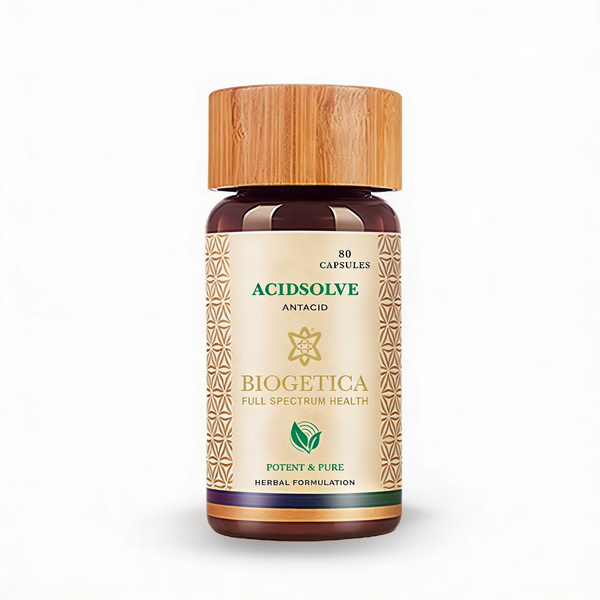
Bloom Acidsolve (Antacid, Pro Digestion)
Acidsolve is a natural antacid and antiulcerant. Acisolve not only reduces the acid secretion but also strengthens th...
Digestive health
Health goal match
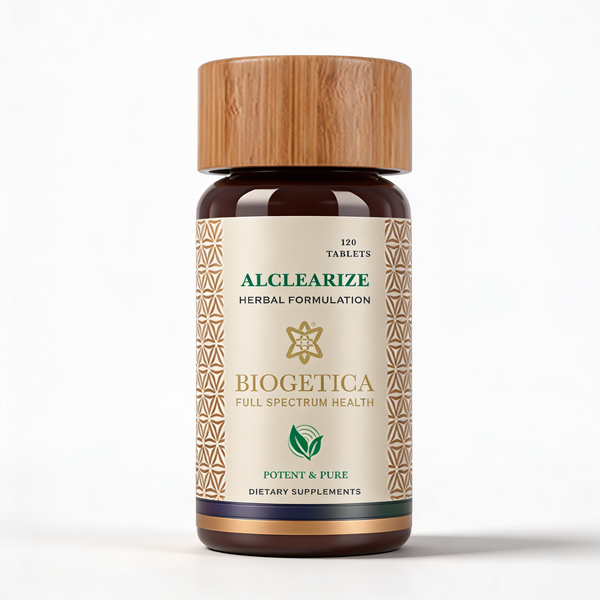
Bloom Alclearize -(Blood Purify)
Alclearize is a combination of time tested ayurvedic herbs that are believed to cleanse the body, boost immunity and ...
Immunity
Detoxification
Skin Health Support

Health goal match
Bloom Arthrosolve (Gouts, Arthritis, Bone and Joints Care)
These Arthrosolve tablets by Biogetica are an effective blend of herbal and natural ingredients. These tablets are sp...
Bone Health
Aches & Pains

Health goal match
Bloom BipSolve (High BP/ Hypertension)
Bipsolve offers protection for your heart and potentially provides a natural alternative to long-term drug therapy wi...
Cardiovascular Health
Health goal match
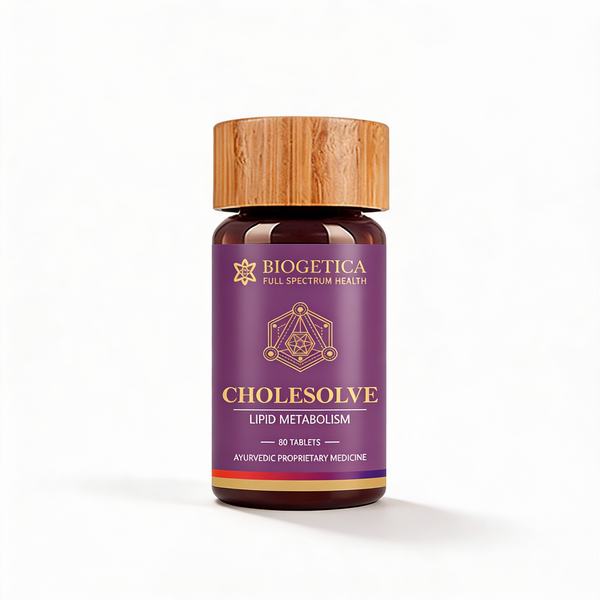
Bloom CholeSolve (Lipid Metabosilm Care)
Cholesolve improves digestive functions and increases the body’s metabolic rate. This may lead to a burn-down of fat ...
Cardiovascular Health
Health goal match
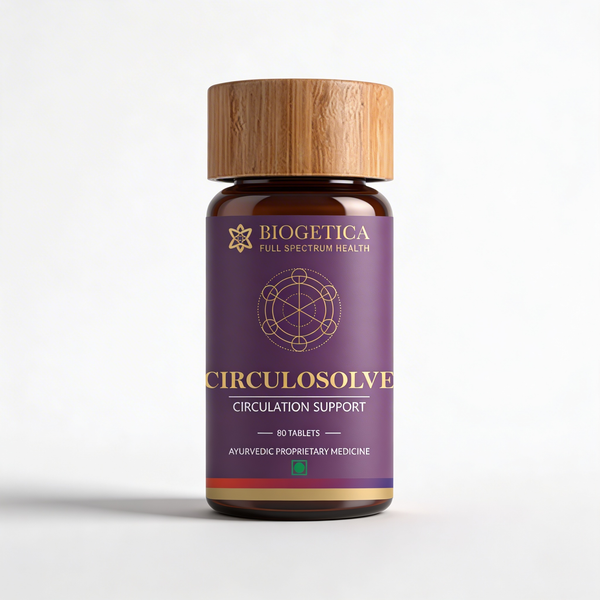
Bloom Circulosolve (Vericoveins Supprt, Hypertention)
Circulosolve consists of a combination of Ayurvedic herbs which are traditionally believed to protect the heart and i...
Cellular Health / Circulation
Cardiovascular Health
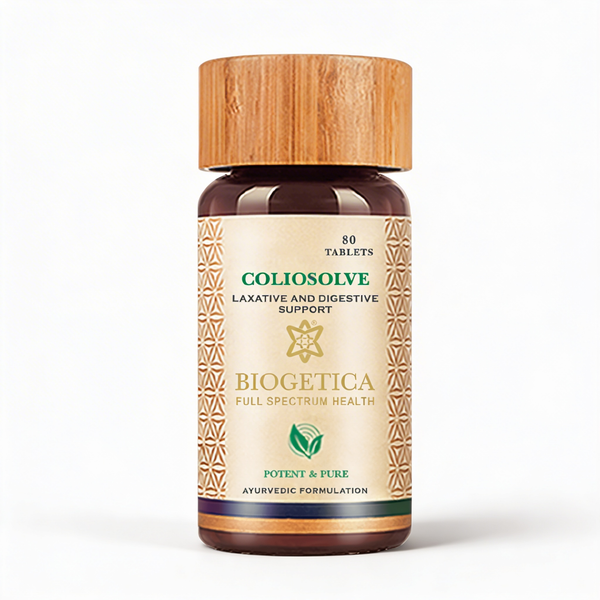
Health goal match
Bloom ColioSolve (Laxative and Digestive Support )
Coliosolve is traditionally believed to have laxative properties. It contains herbs like cassia and haritaki which ex...
Digestive health
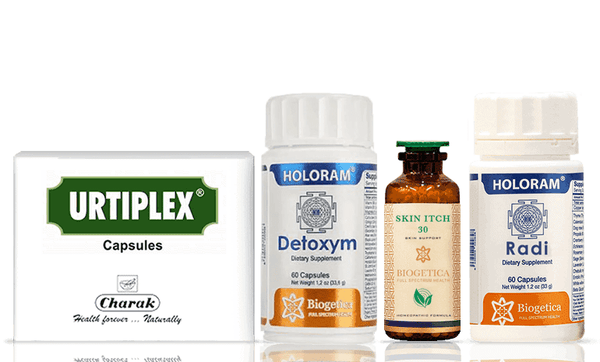
Health goal match
Bloom Deliverance Kit with Skin Itch 30 UTR Formula
Biogetica Deliverance Kit with Skin Itch 30 UTR Formula is a combination of Advanced Ayurvedic herbs and Resonance Ho...
Skin Health Support
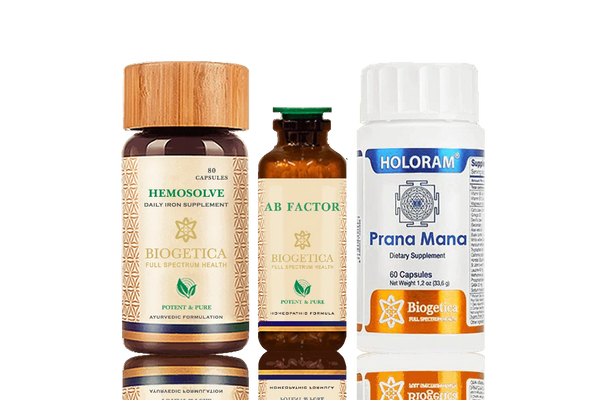
Health goal match
Bloom Freedom Kit With Ab Formula
The Biogetica Freedom Kit with AB Formula is a synergistic combination of Ayurvedic herbs, nutraceuticals and homeopa...
Cellular Health / Circulation

Health goal match
Bloom Freedom Kit With AC-NEE 200 Formula
Biogetica Freedom Kit with AC-NEE 200 Formula is a combination of Ayurvedic herbal ingredients, Resonance Homeopathic...
Skin Health Support
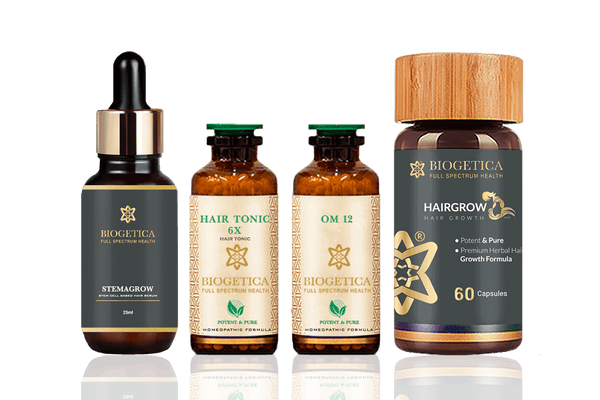
Health goal match
Bloom Freedom Kit With Om 12 Hair Formula
The natural products in this kit are made up of homeopathic attenuations along with advanced nutritional supplements ...
Skin Health Support
Health goal match
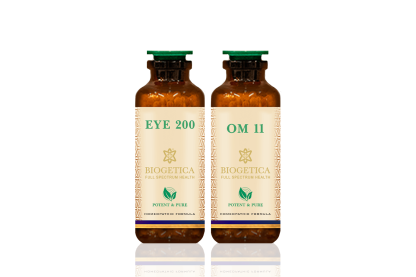
Bloom Freedom Kit with OM11 CNJ Formula
Biogetica Freedom Kit with OM 11 CNJ Formula is a combination of resonance homotoxologic / homeopathic and modern Bio...
Cellular Health / Circulation
Health goal match
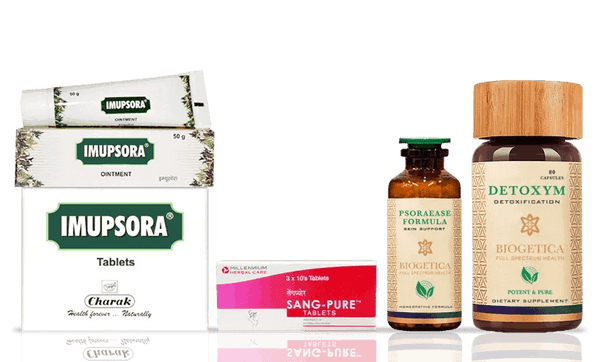
Bloom Freedom Kit With PSORAease Formula
The Freedom Kit with PSORAease Formula combines various natural remedies to promote healthy skin function, and suppor...
Skin Health Support
MECHANISM
How Your Cardiovascular System Works
01
Pumping Action
The heart rhythmically contracts, propelling nutrient-rich blood throughout the body with remarkable precision and power.
02
Circulatory Network
A vast network of arteries, veins, and capillaries ensures efficient distribution and collection, maintaining optimal blood flow.
03
Cellular Exchange
At the cellular level, vital oxygen and nutrients are exchanged for metabolic waste products, sustaining cellular life.
KEY INFLUENCES
What Affects Your Cardiovascular Health?
Many lifestyle choices and environmental factors significantly influence the ongoing health and resilience of your cardiovascular system. Understanding these influences is key to making informed choices for sustained well-being.

MAJOR IMPACT
Nutritional Choices
Diets high in processed foods, unhealthy fats, and excessive sugars can strain the cardiovascular system and impact vessel integrity.

CRITICAL
Chronic Stress
Sustained stress responses can affect blood pressure regulation and contribute to systemic imbalances over time.

FOUNDATIONAL
Sedentary Lifestyle
Lack of regular physical activity can diminish circulatory efficiency and weaken cardiovascular muscle tone.
KEY AWARENESS
Signs Your Cardiovascular System May Need Support
Your body often provides subtle cues when its systems require attention. Recognizing these signals early empowers you to take proactive steps towards maintaining optimal cardiovascular vitality.
01.
Occasional Fatigue
Feeling unusually tired, which might indicate your system is working harder than optimal to maintain circulation.
02.
Mild Swelling
Experiencing occasional, slight puffiness in extremities, suggesting potential lymphatic or circulatory stagnation.
03.
Occasional Shortness of Breath
Experiencing mild breathlessness during routine activities, indicating the heart and lungs might be working harder.
04.
Minor Chest Discomfort
Intermittent, mild sensations of pressure or tightness in the chest area that are not acute or severe.
05.
Variations in Energy Levels
Noticeable fluctuations in your daily energy, potentially linked to less efficient oxygen and nutrient delivery.
06.
Coolness in Extremities
Frequently experiencing cold hands or feet, which can be a subtle indicator of less robust peripheral circulation.

DAILY FOUNDATIONS
The Four Lifestyle Pillars
Embracing these foundational habits is paramount for nurturing robust cardiovascular health and fostering overall systemic vitality.

Nourishing Diet
A balanced diet rich in whole foods provides the essential building blocks and protective compounds for heart and vessel health.
- Prioritize whole, unprocessed foods.
- Include plenty of colorful fruits and vegetables.
- Choose lean proteins and healthy fats.
- Limit added sugars and refined carbohydrates.

Regular Movement
Consistent physical activity strengthens the heart muscle, improves circulation, and supports healthy blood pressure and cholesterol levels.
- Engage in moderate aerobic exercise daily.
- Incorporate strength training a few times a week.
- Practice flexibility and balance exercises.
- Find activities you enjoy to stay consistent.

Stress Resilience
Effective stress management techniques help maintain hormonal balance and support a calm, steady cardiovascular rhythm.
- Practice mindfulness or meditation daily.
- Engage in deep breathing exercises.
- Ensure adequate time for relaxation and hobbies.
- Seek social connections and support.

Restorative Sleep
Quality sleep allows the cardiovascular system to rest, repair, and regulate vital functions, crucial for long-term health.
- Aim for 7-9 hours of quality sleep nightly.
- Establish a consistent sleep schedule.
- Create a cool, dark, and quiet sleep environment.
- Avoid screens and heavy meals before bed.
THE HEART / CIRCULATION AXIS
Why Your Heart Is Your Cardiovascular Health Headquarters
At the core of your cardiovascular vitality lies the heart, a tireless organ orchestrating the symphony of circulation. It’s not merely a pump but a central hub of energy, rhythm, and life force, intimately connected to every cell and system in your body. Its optimal function is foundational to your overall well-being.
The heart's rhythmic contractions generate the pressure needed to propel blood through over 60,000 miles of blood vessels. This intricate network, from large arteries to microscopic capillaries, ensures that oxygen, nutrients, hormones, and immune cells reach their destinations, while metabolic waste products are efficiently removed. This continuous, balanced flow is vital for cellular respiration and tissue health.
When this intricate axis is disrupted, either through compromised heart function or impaired vascular integrity, the entire body can experience a ripple effect. Suboptimal circulation can impact energy levels, cognitive clarity, and organ function. Supporting this central axis is paramount for maintaining robust health and preventing systemic imbalances.
100,000
Beats Per Day
2,000
Gallons Pumped Daily
60,000+
Miles of Vessels
Every Cell
Receives Nourishment

NUTRITIONAL SCIENCE
Key Nutrients for Cardiovascular Resilience
Specific micronutrients play pivotal roles in maintaining the structural integrity, functional efficiency, and protective mechanisms of your cardiovascular system. Ensuring adequate intake of these vital compounds is essential for supporting long-term heart health.
| NUTRIENT | ROLE IN IMMUNITY | TOP FOOD SOURCES | EVIDENCE LEVEL |
|---|---|---|---|
| Coenzyme Q10 (CoQ10) | Supports cellular energy production in heart muscle. | Organ meats, fatty fish, spinach, broccoli. | Strong |
| Magnesium | Regulates blood pressure and muscle function. | Leafy greens, nuts, seeds, dark chocolate. | Strong |
| Omega-3 Fatty Acids | Promotes healthy inflammatory responses and vascular elasticity. | Fatty fish (salmon, mackerel), flaxseeds, walnuts. | Strong |
| Vitamin K2 | Directs calcium to bones, away from arteries. | Fermented foods, grass-fed dairy, egg yolks. | Moderate |
| Hawthorn Berry | Enhances cardiac output and supports blood flow. | Herbal supplements, traditional preparations. | Moderate |
| Resveratrol | Acts as an antioxidant, protecting vessel integrity. | Red grapes, berries, peanuts. | Moderate |
| L-Carnitine | Aids in fatty acid transport for heart energy. | Red meat, dairy products, avocado. | Moderate |
| Garlic Extract | Supports healthy cholesterol levels and circulation. | Fresh garlic, aged garlic extract supplements. | Strong |
COMMON QUESTIONS
Frequently Asked Questions
Adopting a balanced diet rich in potassium and magnesium, reducing sodium intake, engaging in regular physical activity, and managing stress are key natural strategies for maintaining healthy blood pressure.
Diet is foundational. A diet rich in fruits, vegetables, whole grains, lean proteins, and healthy fats supports vascular elasticity, healthy cholesterol levels, and provides antioxidants crucial for heart protection.
While a balanced diet is primary, certain supplements like Omega-3s, CoQ10, and Magnesium can provide targeted support to fill nutritional gaps and enhance cardiovascular function, especially as we age or face specific lifestyle demands.
Chronic stress can lead to increased heart rate and blood pressure, contributing to inflammation and impacting vessel health over time. Managing stress through mindfulness, relaxation, and adequate rest is vital for cardiovascular resilience.
Maintaining a healthy balance of cholesterol types (LDL and HDL) is crucial for preventing plaque buildup in arteries and ensuring smooth blood flow. Diet, exercise, and certain nutrients can help optimize these levels.
Absolutely. Regular aerobic exercise strengthens the heart muscle, making it more efficient at pumping blood. It also improves circulation, helps manage weight, and supports healthy blood pressure and cholesterol.
Adequate, restorative sleep allows the cardiovascular system to rest and repair. Poor sleep can disrupt hormonal balance and contribute to systemic inflammation, negatively impacting heart health over time.
Holistic approaches integrate diet, exercise, stress management, quality sleep, and targeted nutritional support. Ayurveda, for instance, focuses on balancing doshas and strengthening 'Rasa Dhatu' for optimal circulatory flow and heart vitality.
Bloom In The News!

As COVID Becomes a Permanent Reality, Focus Must Shift to Effective Treatment Options

New Study Compares Viable Treatment Options for Covid across all Medical Systems and Finds Ayurveda to Have the Best Result.

Bloom's groundbreaking trial on Herpes receives patent from the US Patent Office

Bloom's groundbreaking trial on Herpes receives patent from the US Patent Office

New Study Compares Viable Treatment Options for Covid across all Medical Systems and Finds Ayurveda to Have the Best Result.

Clinical trial of Ayurvedic remedy for Covid shows ground breaking result
Meet Our Team
Our team of experienced healthcare professionals is dedicated to your wellness journey

Dr. Vijay Kumar Kamat
MD, BAMS
Ayurvedic Medicine Specialist
AYURVEDA

Dr Khyati Dave
BHMS, CCH
Homeopathic Physician
HOMEOPATHY

Dr Ritu Sandhu
ND, LAc
Naturopathic Doctor
NATUROPATHY

Dr Shivani R Desai
PhD, RH
Herbal Medicine Expert
HERBALISM