
Understanding the intricate mechanisms of your immune system helps you make informed decisions about your health and wellness.
We Ship Globally.Totality Not Modality.Free Specialist Consultations.Potent and Pure Evidence Based RemediesNo Side EffectsAddress The Root CauseFrom Medication to MeditationPrecedent Setting Clinical Trial ResultsPeople Before Profits AlwaysWe Ship Globally.Totality Not Modality.Free Specialist Consultations.Potent and Pure Evidence Based RemediesNo Side EffectsAddress The Root CauseFrom Medication to MeditationPrecedent Setting Clinical Trial ResultsPeople Before Profits AlwaysWe Ship Globally.Totality Not Modality.Free Specialist Consultations.Potent and Pure Evidence Based RemediesNo Side EffectsAddress The Root CauseFrom Medication to MeditationPrecedent Setting Clinical Trial ResultsPeople Before Profits AlwaysWe Ship Globally.Totality Not Modality.Free Specialist Consultations.Potent and Pure Evidence Based RemediesNo Side EffectsAddress The Root CauseFrom Medication to MeditationPrecedent Setting Clinical Trial ResultsPeople Before Profits AlwaysWe Ship Globally.Totality Not Modality.Free Specialist Consultations.Potent and Pure Evidence Based RemediesNo Side EffectsAddress The Root CauseFrom Medication to MeditationPrecedent Setting Clinical Trial ResultsPeople Before Profits AlwaysWe Ship Globally.Totality Not Modality.Free Specialist Consultations.Potent and Pure Evidence Based RemediesNo Side EffectsAddress The Root CauseFrom Medication to MeditationPrecedent Setting Clinical Trial ResultsPeople Before Profits Always
We Ship Globally.Totality Not Modality.Free Specialist Consultations.Potent and Pure Evidence Based RemediesNo Side EffectsAddress The Root CauseFrom Medication to MeditationPrecedent Setting Clinical Trial ResultsPeople Before Profits AlwaysWe Ship Globally.Totality Not Modality.Free Specialist Consultations.Potent and Pure Evidence Based RemediesNo Side EffectsAddress The Root CauseFrom Medication to MeditationPrecedent Setting Clinical Trial ResultsPeople Before Profits AlwaysWe Ship Globally.Totality Not Modality.Free Specialist Consultations.Potent and Pure Evidence Based RemediesNo Side EffectsAddress The Root CauseFrom Medication to MeditationPrecedent Setting Clinical Trial ResultsPeople Before Profits AlwaysWe Ship Globally.Totality Not Modality.Free Specialist Consultations.Potent and Pure Evidence Based RemediesNo Side EffectsAddress The Root CauseFrom Medication to MeditationPrecedent Setting Clinical Trial ResultsPeople Before Profits AlwaysWe Ship Globally.Totality Not Modality.Free Specialist Consultations.Potent and Pure Evidence Based RemediesNo Side EffectsAddress The Root CauseFrom Medication to MeditationPrecedent Setting Clinical Trial ResultsPeople Before Profits AlwaysWe Ship Globally.Totality Not Modality.Free Specialist Consultations.Potent and Pure Evidence Based RemediesNo Side EffectsAddress The Root CauseFrom Medication to MeditationPrecedent Setting Clinical Trial ResultsPeople Before Profits Always
Menu
Menu
Write your store's popup content
AYURVEDIC BOTANICAL INTELLIGENCE
Immunity Support
Defense · Resilience · Vitality
A time-honored focus in Ayurvedic wellness, immunity support is centered on helping the body maintain balance, resilience, and everyday vitality. This profile highlights botanicals traditionally valued for their antioxidant, adaptogenic, and restorative properties, working in harmony to support the body’s natural defenses and overall well-being.
24/7
Daily defense support
10+
Functional properties
3
Core wellness pillars

BLOOM FORMULATIONS
Products that boost Immunity
The immune system depends on consistent nutritional support to help maintain resilience, responsiveness, and everyday protection. A dual-delivery approach can help support both immediate availability and sustained release, allowing key nutrients to reach the body more effectively over time
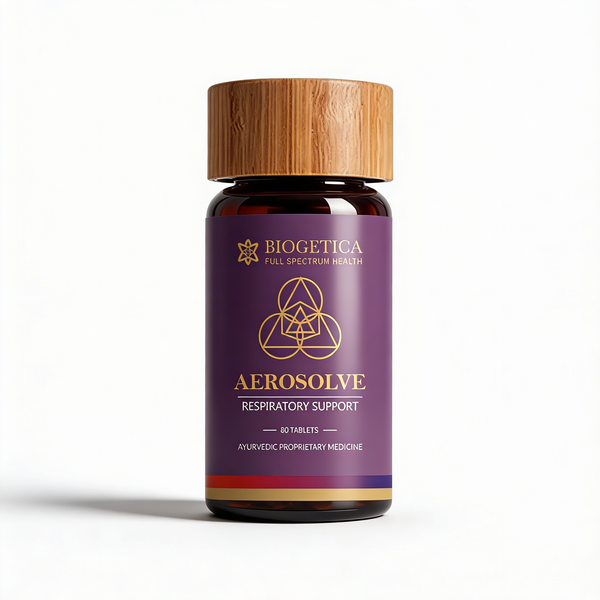
Health goal match
Bloom Aerosolve (Lungs Health, Oxygenation)
Aerosolve is a polyherbal combination containing standardized extracts of various herbs that synergistically work to ...
Immunity
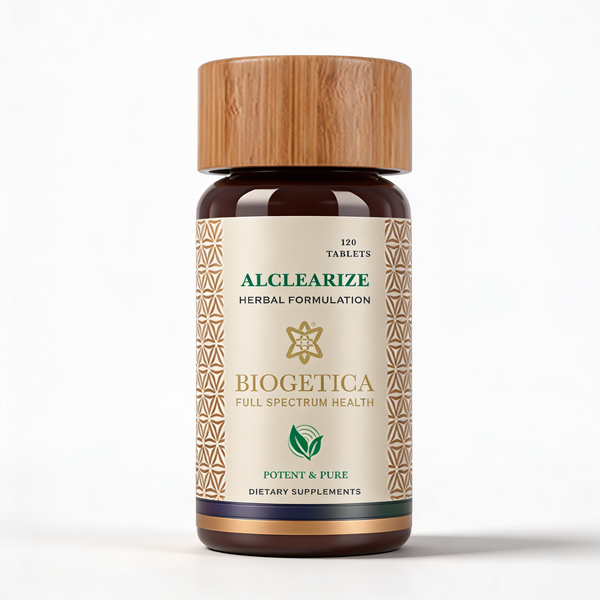
Health goal match
Bloom Alclearize -(Blood Purify)
Alclearize is a combination of time tested ayurvedic herbs that are believed to cleanse the body, boost immunity and ...
Immunity
Detoxification
Skin Health Support
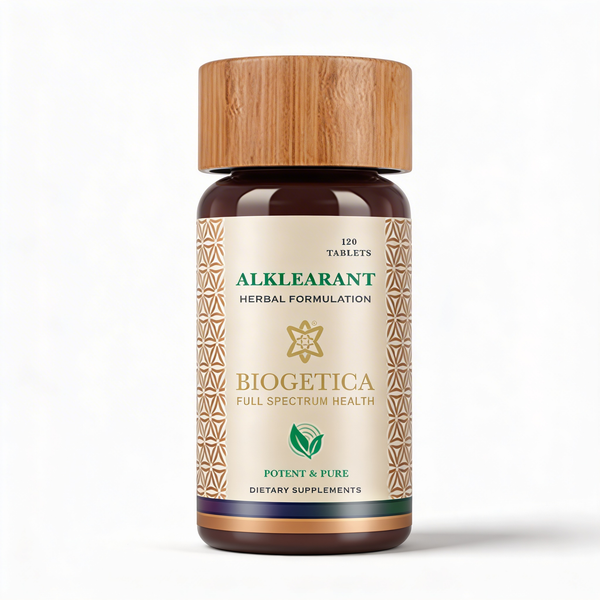
Health goal match
Bloom Alklearant (UTRI / Detox)
Alklearant Tablets is a herbal mixture traditionally believed to be helpful in improving the immune system and rejuve...
Immunity
Detoxification

Health goal match
Bloom Aswagandha (Boost Over All Wellness)
Biogetica Ashwagandha Capsules are made with high-quality of Ashwagandha, Biogetica is the only company that makes fu...
Energy & Vitality
M/F Wellness
Brain Function

Health goal match
Bloom Core Immunity Kit (ImmunoFree and Reginmune 30)
Biogetica Core Immunity Kit (ImmunoFree & Reginmune 30) Immunofree is a mix of evidence-based herbs from across t...
Immunity
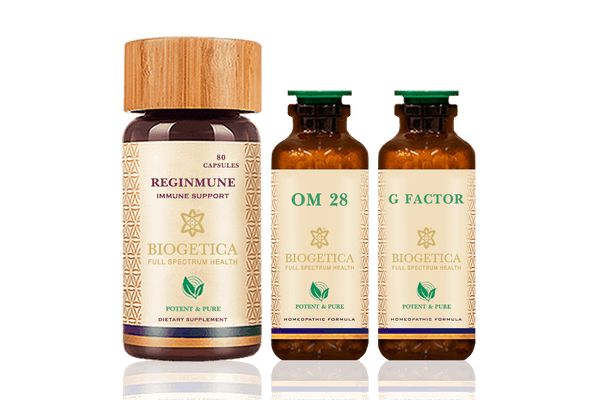
Health goal match
Bloom Freedom Kit With G Factor
Biogetica Freedom Kit with G-Factor is a unique amalgam of Advanced Natural Resonance Homeopathic, Bio-energetic, and...
Immunity
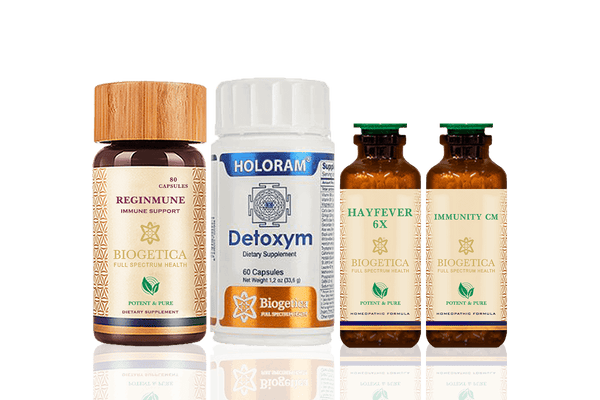
Health goal match
Bloom Freedom Kit With Hy Formula
Traditionally used for recurrent cases of hay fever The Biogetica Freedom Kit with HY Formula is a combination of Ayu...
Immunity
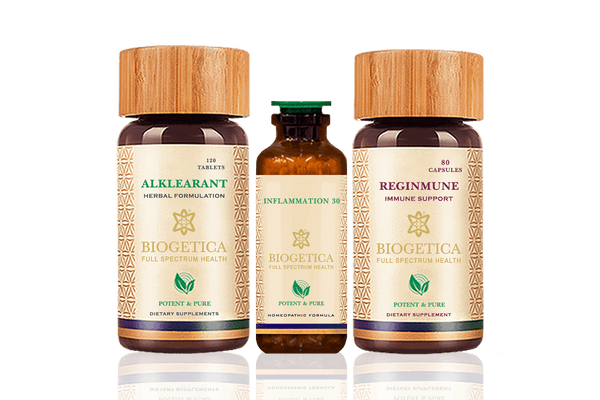
Health goal match
Bloom Freedom Kit With Inflammation30 CYT Formula
The Biogetica Freedom Kit is a unique combination of resonance Homeopathy and Ayurvedic herbs that are traditionally ...
Immunity
Health goal match
Bloom Freedom Kit With OM 10 Formula
The Biogetica Freedom Kit with OM 10 Formula combines Ayurvedic herbs, nutraceuticals, and homeopathic ingredients tr...
Immunity
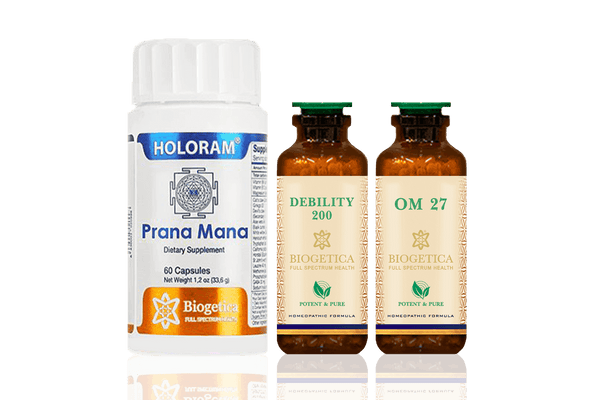
Health goal match
Bloom Freedom Kit With Om 27 Formula
Biogetica Freedom Kit with OM 27 Formula is an ideal admixture of comprehensive Ayurvedic herbal remedies, resonance ...
Immunity
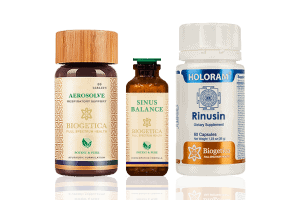
Health goal match
Bloom Freedom Kit With SINS Balance Formula
This kit is a full-spectrum combination of Advanced natural remedies from Resonance Homeopathy, Bio-energetics, and a...
Immunity
MECHANISM
How Your Immune System Actually Works
01
Recognition
Your immune system identifies foreign invaders through specialized cells that patrol your body constantly.
02
Response
Once detected, your immune cells coordinate a targeted response to neutralize threats before they can cause harm.
03
Memory
Your immune system remembers past encounters, building a library of defenses for faster future responses.
KEY INFLUENCES
What Affects Your Immune Function?
Immunity is not fixed — it is dynamic and continuously shaped by dozens of lifestyle, environmental, and biological factors. Here are the most significant ones.

MAJOR IMPACT
Chronic Stress
Prolonged stress elevates cortisol, which suppresses immune cell activity and increases inflammation.

CRITICAL
Sleep Quality
Deep sleep is when your body produces cytokines and repairs immune cells. Poor sleep weakens defenses.

FOUNDATIONAL
Diet & Nutrition
Micronutrients like zinc, vitamin D, and vitamin C are essential for immune cell function and antibody production.
KEY AWARENESS
Signs Your Immunity May Need Support
Your body communicates its immune status in subtle and not-so-subtle ways. These are common indicators that the immune system may be under strain — not diagnostic criteria, but signals worth paying attention to.
01.
Frequent Colds or Infections
Getting sick more than 3–4 times a year, or taking unusually long to recover, often signals reduced immune activity.
02.
Persistent Fatigue
Chronic tiredness that doesn't improve with rest may indicate the immune system is chronically activated and consuming resources.
03.
Slow Wound Healing
Cuts and bruises that take longer than expected to heal can reflect compromised immune signalling and reduced regenerative capacity.
04.
Digestive Issues
Frequent bloating, diarrhoea, or gut discomfort can indicate a disrupted gut microbiome — which directly impacts immune regulation.
05.
Unexplained Inflammation
Recurring joint aches, skin issues, or allergy-type reactions may reflect immune dysregulation rather than a simple infection.
06.
High Stress + Poor Sleep
This combination is one of the most reliable predictors of immune suppression — both individually and together.

DAILY FOUNDATIONS
The Four Lifestyle Pillars of Immune Health
No supplement replaces the foundational habits that govern immune function day to day. These four pillars are supported by the strongest and most consistent evidence in immune research.

Restorative Sleep
Sleep is when the immune system does its deepest repair work — producing cytokines, consolidating immune memory, and clearing cellular debris.
- Aim for 7–9 hours of uninterrupted sleep
- Keep consistent sleep-wake schedule
- Limit screen exposure 1 hour before bed
- Keep the room cool, dark, and quiet

Regular Movement
Moderate, consistent exercise is one of the best-evidenced ways to support immune cell circulation, reduce chronic inflammation, and improve lymphatic drainage.
- Aim for 30 minutes of moderate exercise 5 days/week
- Include both aerobic and strength training
- Avoid excessive intense training — it suppresses immunity
- Walking, yoga, and swimming are excellent options

Stress Management
The connection between stress and immunity is direct and well-documented. Chronic stress can actively suppress immune cell activity and increase systemic inflammation.
- Daily meditation or mindfulness practice
- Therapeutic breathwork for vagal nerve activation
- Nature exposure — even 20 minutes lowers cortisol
- Social connection is a documented immune booster

Nourishing Diet
A varied whole-food diet provides the raw materials that immune cells depend on — vitamins, minerals, polyphenols, fibre, and prebiotics that feed the gut microbiome.
- Try 30 different plant foods per week
- Prioritise fermented foods for gut diversity
- Reduce ultra-processed foods and refined sugar
- Stay well-hydrated — lymph requires it
THE GUT / IMMUNE AXIS
Why Your Gut Is Your Immune Headquarters
Approximately 70–80% of all immune cells in the human body reside in or around the gastrointestinal tract. The gut is not just a digestive organ — it is the largest immune organ in the body, and the state of your gut microbiome has profound and far-reaching effects on immune function throughout the entire system.
The gut's lining (the epithelium) acts as a selective barrier — letting nutrients pass through while blocking pathogens. Beneficial bacteria in the gut actively train immune cells, regulate inflammatory responses, and produce compounds like short-chain fatty acids (SCFAs) that nourish immune tissue.
Disruptions to the gut microbiome — through antibiotic use, poor diet, chronic stress, or lack of dietary fibre — can lead to what is known as gut dysbiosis, which is associated with a wide range of immune conditions and increased susceptibility to infections.
70%
of the body's immune cells are in or near the gut
38 Trillion
microbiome cells support a healthy human gut
500+
species of bacteria in a diverse, healthy microbiome
SCFAs
Short-chain fatty acids produced by gut bacteria directly nourish immune tissue

NUTRITIONAL SCIENCE
Key Nutrients for Immune Resilience
Specific micronutrients play direct and well-documented roles in immune function. Deficiencies in these nutrients are among the most common and correctable causes of impaired immunity worldwide.
| NUTRIENT | ROLE IN IMMUNITY | TOP FOOD SOURCES | EVIDENCE LEVEL |
|---|---|---|---|
| Vitamin D | Activates T-cells; regulates inflammatory cytokines; supports antimicrobial peptide production | Sunlight, oily fish, egg yolks, fortified foods | Strong |
| Vitamin C | Stimulates white blood cell production; antioxidant protection of immune cells; supports skin barrier | Citrus, kiwi, bell peppers, broccoli, amla | Strong |
| Zinc | Essential for T-cell development and function; regulates inflammatory response; wound healing | Pumpkin seeds, chickpeas, lentils, meat, cashews | Strong |
| Omega-3 Fatty Acids | Reduces inflammation; supports membrane fluidity of immune cells; modulates cytokine production | Fatty fish, flaxseed, walnuts, chia seeds | Strong |
| Selenium | Antioxidant defence; supports NK cell activity; thyroid-immune interaction | Brazil nuts, tuna, eggs, sunflower seeds | Moderate |
| Vitamin A | Maintains integrity of mucosal barriers; regulates T-cell and B-cell responses | Liver, sweet potato, carrots, spinach, mango | Strong |
| Iron | Required for lymphocyte proliferation; oxygen transport to immune organs | Lentils, dark leafy greens, red meat, tofu | Moderate |
| Prebiotics & Probiotics | Feed and maintain beneficial gut bacteria that regulate ~70% of systemic immune activity | Yoghurt, kimchi, sauerkraut, oats, garlic, leeks | Strong |
COMMON QUESTIONS
Frequently Asked Questions
The term 'boost' is misleading — the immune system is not a single dial you can turn up. What you can do is support optimal immune function by removing deficiencies, reducing chronic stressors, and providing the raw materials the system needs. An overactive immune system is as problematic as an underactive one.
Meaningful improvements in immune markers can be observed within 4–8 weeks of consistent lifestyle changes. Micronutrient deficiencies like Vitamin D can begin to correct within 6–12 weeks of supplementation. Sleep and stress improvements often show immune effects within days.
Yes — autoimmune conditions, chronic inflammation, and allergies are all examples of immune overactivation. The goal is immune balance (immunomodulation), not simply stimulation.
Some have meaningful evidence — elderberry, andrographis, and beta-glucans have well-designed trials supporting their use. The strongest evidence remains for micronutrients (Vitamin D, Zinc, Vitamin C) and lifestyle factors.
Significantly. Cortisol directly suppresses lymphocyte activity and reduces secretory IgA, your first-line mucosal defence. Even short-term acute stress measurably alters immune cell counts within hours.
Immunosenescence — the gradual decline of immune function with age — is well-documented. The thymus shrinks with age, and immune memory becomes less flexible. Nutritional support, exercise, and sleep become even more critical as we age.
Approximately 70–80% of immune cells reside in or around the gut. The gut microbiome actively trains immune cells, regulates inflammatory tone, and produces short-chain fatty acids that nourish immune tissue.
Yes — adequate sleep, outdoor play, diverse whole-food diet, and limited antibiotic use are the most evidence-backed approaches. Vitamin D is commonly deficient in children and has strong evidence for immune support.
Bloom In The News!

As COVID Becomes a Permanent Reality, Focus Must Shift to Effective Treatment Options

New Study Compares Viable Treatment Options for Covid across all Medical Systems and Finds Ayurveda to Have the Best Result.

Bloom's groundbreaking trial on Herpes receives patent from the US Patent Office

Bloom's groundbreaking trial on Herpes receives patent from the US Patent Office

New Study Compares Viable Treatment Options for Covid across all Medical Systems and Finds Ayurveda to Have the Best Result.

Clinical trial of Ayurvedic remedy for Covid shows ground breaking result
Meet Our Team
Our team of experienced healthcare professionals is dedicated to your wellness journey

Dr. Vijay Kumar Kamat
MD, BAMS
Ayurvedic Medicine Specialist
AYURVEDA

Dr Khyati Dave
BHMS, CCH
Homeopathic Physician
HOMEOPATHY

Dr Ritu Sandhu
ND, LAc
Naturopathic Doctor
NATUROPATHY

Dr Shivani R Desai
PhD, RH
Herbal Medicine Expert
HERBALISM